Enhancing communication in the workplace
We recently interviewed Grid user Alex about her experience using AAC (Augmentative and Alternative Communication) in the workplace and her journey to obtaining a Grid Pad through the Access to Work scheme. In this guest blog, Alex shares the challenges of navigating the process, the positive impact her Grid Pad has had on her communication at work, and how the support of her colleagues in learning Makaton has boosted her confidence and inclusion in the workplace. We share Alex’s story from her perspective below: Navigating the workplace as someone who relies on alternative communication methods can be a challenge. But for me, the Access to Work scheme has been a real turning point. Living with epilepsy and autism, I’ve had to find ways to communicate effectively, and my Grid Pad has been a huge help. I was lucky to have my Grid Pad funded through the Access to Work program, which helps make sure that I can keep working even after a seizure. Before, I used to be anxious about letting people know about my autism and epilepsy. I worried people would treat me differently or make assumptions about what I could or couldn’t do. But my employer respected my choice to keep it private, and eventually, I gained the courage to share my story with my colleagues. The Access to Work scheme is designed to help people like me get the support we need to do our jobs. In my case, it helped fund my Grid Pad 10s, a device that allows me to communicate when speaking isn’t possible, especially after seizures. The process to get it wasn’t quick – it took over six months to go through – but in the end, it was worth it. My Grid Pad is more than just a device for me; it’s a lifeline. Before I had the Grid Pad, participating in meetings or even basic interactions could be a struggle. Now, I use it throughout my workday, whether in meetings or completing tasks. It’s customised with vocabulary specific to my role, from the names of different file types to design programs My Grid Pad has truly transformed how I interact at work. Simple things like taking notes, sharing my thoughts, or responding to questions have become much easier. It’s given me a level of independence and confidence I didn’t have before. In the past, I’d sometimes avoid using communication tools due to self-consciousness, especially with new people. But now, with a tool that works for me, I’m much more comfortable using it any setting. It’s not about making things easier, it’s about making things possible. The real turning point hasn’t just been the Grid Pad itself, but the way my colleagues have embraced it. Some of them have even taken the time to learn Makaton, a communication programme using signs and symbols, which I use alongside the device. That kind of support has been invaluable. One colleague already knew how to work with AAC devices, so they could help me edit the vocabulary on my Grid Pad if needed. But more than that, everyone at work has been willing to engage with my communication needs, whether that’s learning some basic Makaton signs or asking how my Grid Pad works. That level of interest and acceptance has made me feel part of the team, not just someone who needs accommodations. We even had a Makaton training session shortly after I started, and I was touched by how many of my coworkers joined in. It wasn’t just about learning a few signs; it was about making sure I felt included and valued as a colleague. That kind of inclusion is empowering – it shows that communication, no matter how it’s done, is valued. Getting my Grid Pad through the Access to Work scheme took time and patience, but it’s had a huge impact on my ability to participate at work. It’s made things like meetings and everyday conversations a lot smoother, and it’s given me a level of independence I didn’t have before. But just as important has been the support from my colleagues. Their willingness to learn and adapt has made a real difference in my confidence and ability to contribute fully at work. Having an inclusive, understanding environment can change everything for people like me who rely on AAC. With the right tools and the right support, we can show what we’re capable of. The Access to Work scheme offers valuable support for individuals with physical or mental health conditions or disabilities to help them secure or stay in employment. Depending on your needs, you can apply for a grant to fund practical assistance, such as specialist equipment, communication support for job interviews, or help with managing mental health at work. Support can include tailored plans, one-on-one mental health sessions, and even help with travel to work. To learn more or apply, you can contact providers like Able Futures or Maximus. For detailed information, visit the government website.
My journey
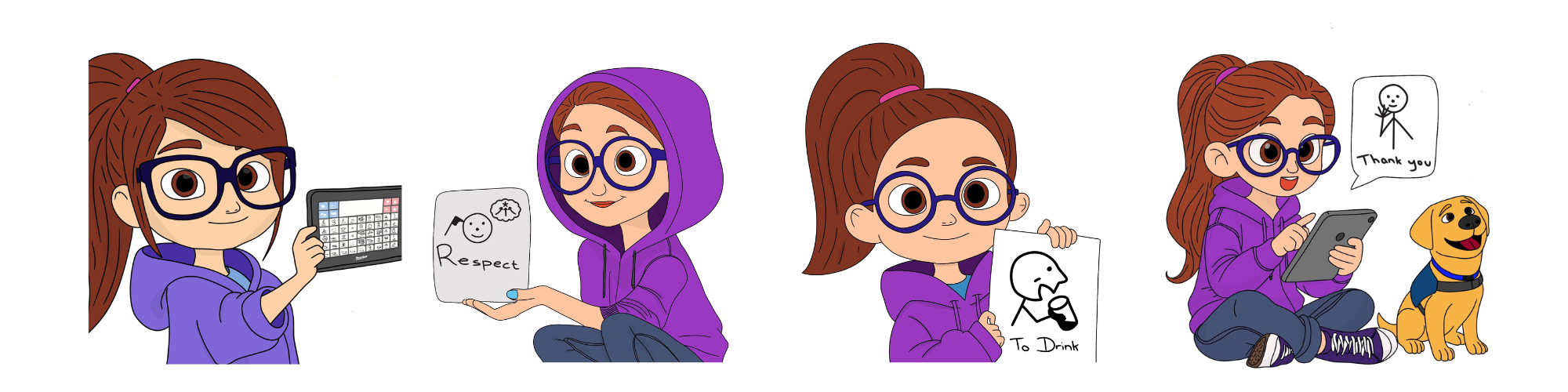
A tough but worthwhile process
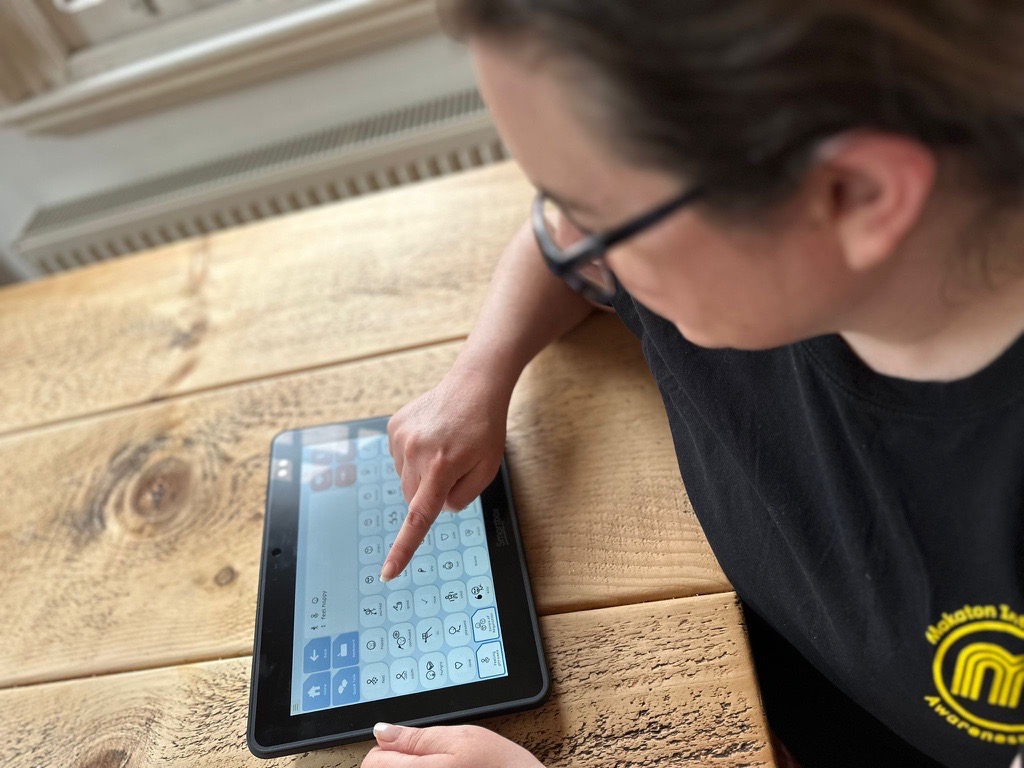
How my Grid Pad changed my work life
Colleague support makes all the difference
Final thoughts
The Access to Work scheme