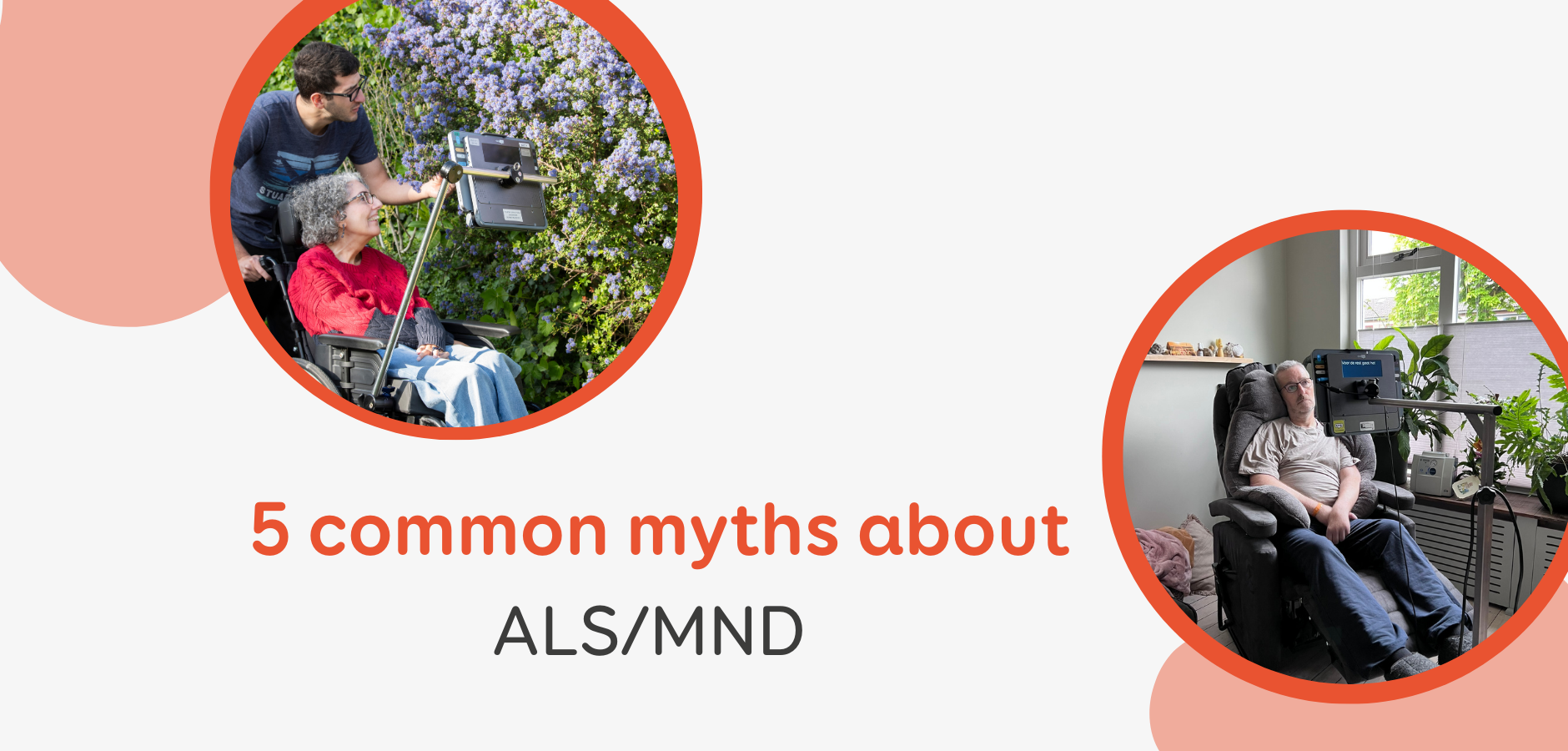
5 common myths about ALS/MND
Amyotrophic Lateral Sclerosis (ALS) is the most common form of motor neurone disease (MND), a neurological condition that affects the nerve cells responsible for muscle control. As speech and movement change over time, many people with ALS turn to AAC (Augmentative and Alternative Communication) to support communication in ways that work best for them. At Smartbox, we support many people living with ALS/MND across the world. In this blog, Amanda (CCC-SLP) explores five of the most common myths about AAC and ALS/MND. She sheds light on the realities of communication with ALS/MND and highlights how AAC is not just possible – it’s powerful. Amanda challenges common misconceptions about who AAC is for, when it should be introduced, and how it can support meaningful interaction. She also explains how AAC can play an important role throughout a person’s journey, helping to maintain connection, self-expression, and communication every step of the way. Fact: When AAC is introduced early, before speech begins to change, it enables people to become comfortable with their system, leading to less frustration when changes begin and better outcomes later on. People can also bank messages if they would like to. Fact: Eye gaze is a great option, but not the only one. Switches, pointers, touch dwell selection, and partner-assisted scanning can provide reliable access based on individual needs and preferences. Some users even change access methods throughout the day. Tip: Smartbox’s Grid software supports multiple access types in one platform, eliminating the need to switch tools as needs change. Fact: The right setup makes all the difference. AAC systems like Grid 3 can be customized for cognitive, motor, and visual access. With consistent training and support, even complex systems can feel intuitive. Tip: Features like simple vocabulary pages, message banking, or predictive spelling can make communication quicker and easier. Fact: Fatigue, frustration, or poor access may be the barrier, not a lack of desire to communicate. If someone seems withdrawn, it may be time to re-evaluate positioning, calibration, or vocabulary access. Tip: Tools like Grid’s “Gaze Viewer” or “Video Recording” can help observe user interactions and identify hidden communication attempts. Fact: AAC supports texting, emailing, smart home control, social media, and much more. Communication is about participation, and AAC helps people with ALS stay engaged with their families, work, and the world. Communication doesn’t stop with speech, and neither should support. Understanding what AAC can do helps us support people with ALS in living fully and communicating clearly at every stage. Amanda Grabiner is a speech-language pathologist with nearly a decade of experience supporting individuals who use AAC. She spent six years working at the ALS Association before joining Smartbox, where she has been for the past four years. Amanda now serves on the Clinical Education Team at Smartbox, creating resources and training to empower SLPs and AAC users alike.
Myth 1: “My client can still talk, so they don’t need AAC yet.”
Myth 2: “Eye gaze is the only option.”
Myth 3: “AAC devices are too hard to learn.”
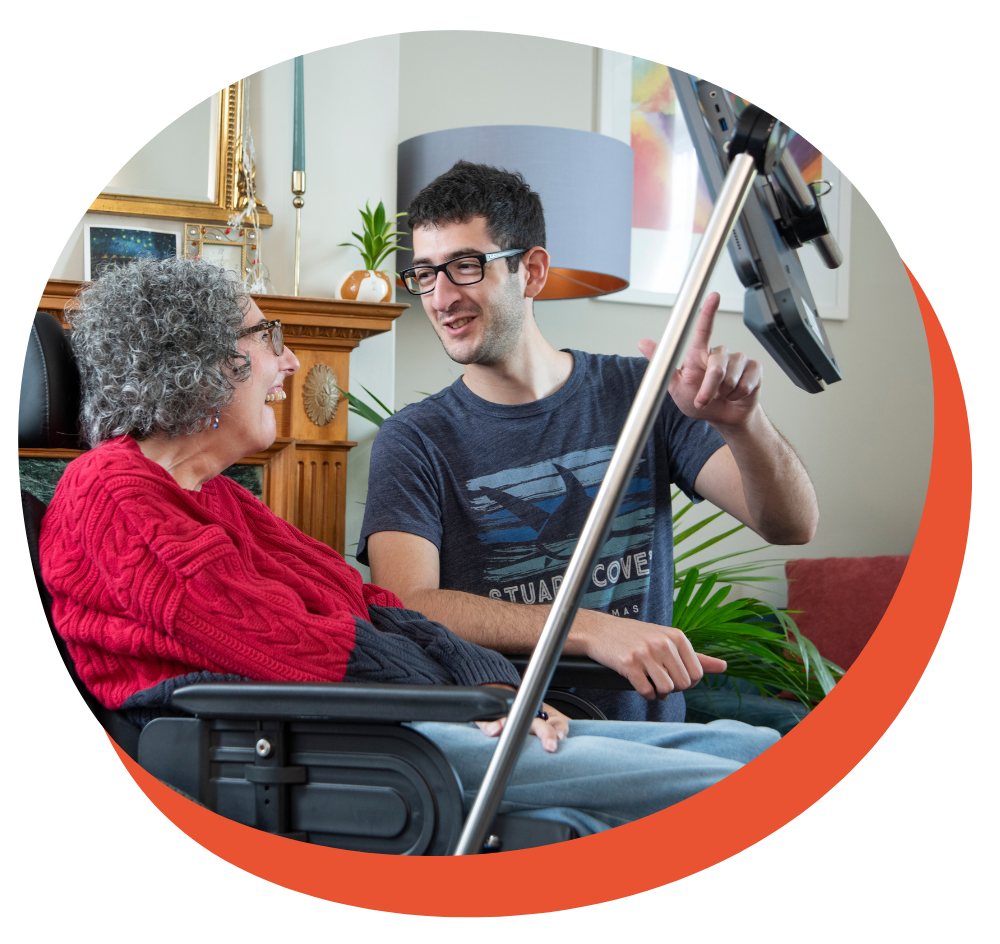
Myth 4: “My client is not interested in talking.”
Myth 5: “AAC is only about talking.”
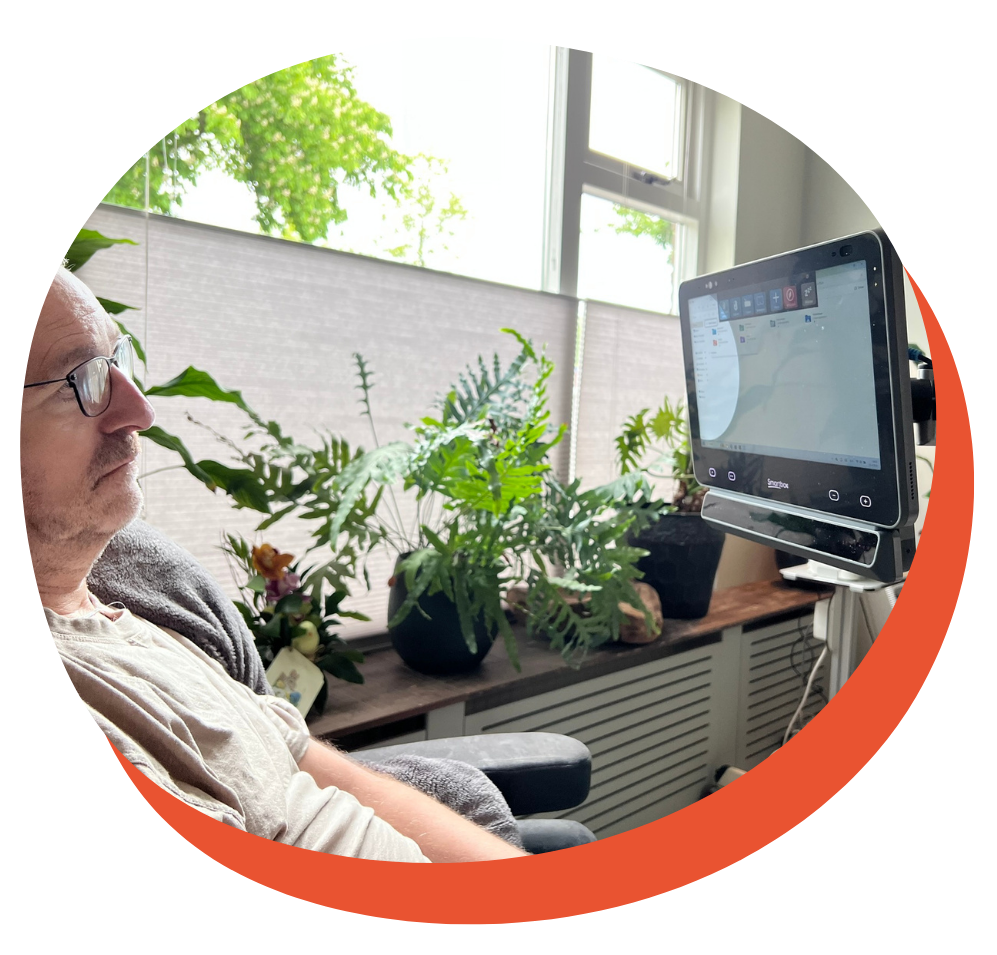
Explore our AAC tools for ALS, such as Fast Talker and eye gaze webinars, below: