
Recognising Aphasia Awareness Month
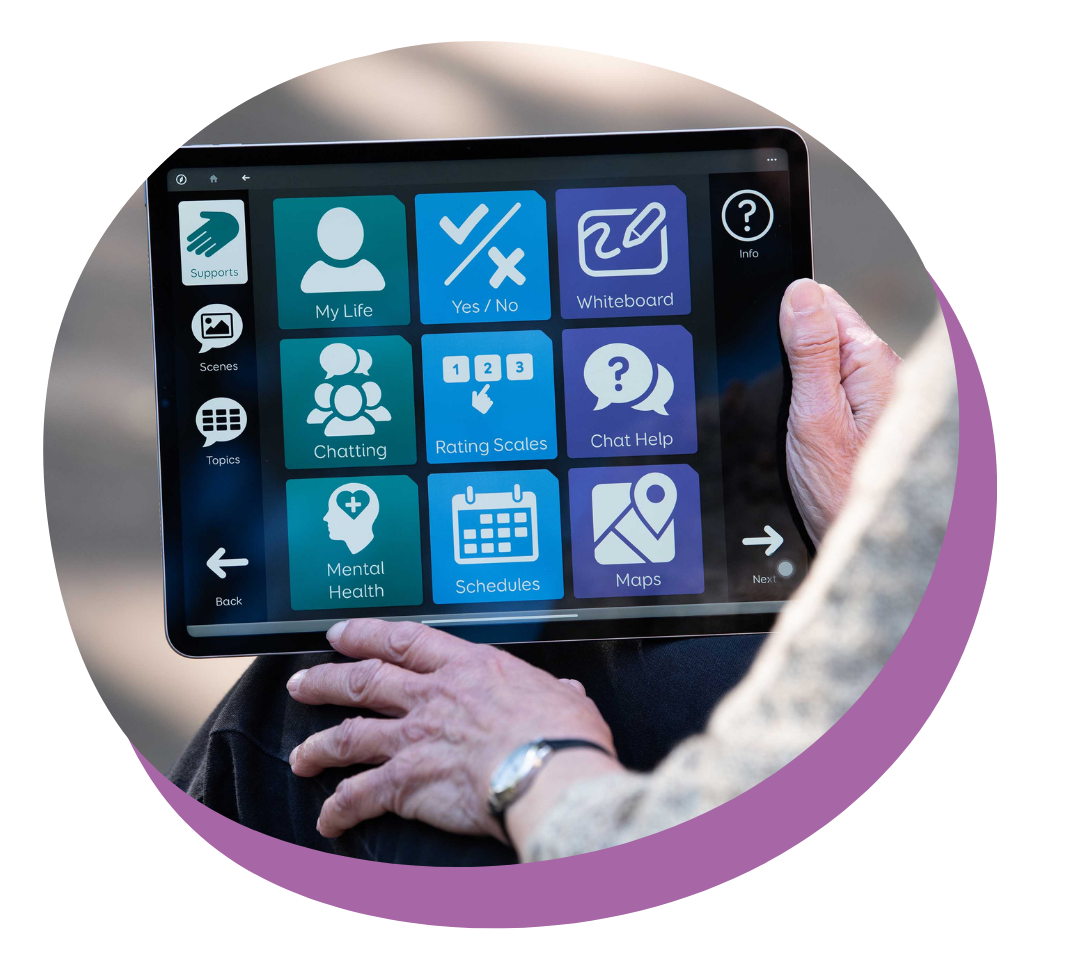
Every June, Aphasia Awareness Month shines a light on a condition that affects over 350,000 people in the UK and millions more worldwide. Despite it’s prevalence, aphasia often has low public awareness. This month, we’re raising awareness about aphasia and exploring how AAC (Augmentative and Alternative Communication) can support people with aphasia. We’ll be sharing insights from speech and language therapists and AAC professionals, providing helpful tips for families and professionals, and taking a closer look at our Aphasia Duo grid set, designed specifically for people with aphasia. Aphasia is an acquired language difficulty, often caused by stroke, brain injury, or other conditions affecting the brain. It can affect any combination of speaking, reading, writing, and understanding language, which can make communication more challenging. There are many different types of aphasia and they can present very differently. It might look like: People with aphasia know what they want to say, they may just need the extra support to help express it. That’s why this month is all about helping others understand, connect, and communicate more effectively. AAC (Augmentative and Alternative Communication) includes a wide range of tools and strategies to support or replace spoken language. This can include anything from gestures and communication boards to high-tech devices that generate speech. Low-tech AAC might involve communication books, symbol cards, or alphabet boards. High-tech AAC includes tablet-based apps, speech-generating devices, and eye gaze systems that allow people to communicate using technology. At Smartbox, we offer our flagship AAC software, Grid. Within Grid, we’ve developed Aphasia Duo – a specialised grid set designed to support people with aphasia in expressing themselves and staying connected. Throughout June, we’ll be sharing clinical insights and practical resources that demonstrate how AAC can support both people with aphasia and their communication partners. Here’s what to look out for: Whether you’re new to aphasia, new to AAC, or supporting someone who is, we hope this month helps you feel more informed, empowered, and connected.
What is Aphasia?
How can AAC support aphasia?
Coming up this month