Packing as a pathway to connection
In this blog, Becky, Clinical AAC Specialist and SLT at Smartbox, explores how everyday routines, such as packing, can become rich opportunities for communication. She shares ideas for using AAC to build connection, confidence, and participation, turning simple tasks into meaningful moments of interaction. When we turn everyday routines into communication moments, we’re not just helping people practise words – we’re building confidence, connection, and real-life participation. That’s at the heart of good communication support, whether you’re a parent, carer, or therapist. Packing is one of those everyday activities that might seem simple, but it’s full of decisions and conversations. What do we need? Where is it kept? Who’s coming? What’s the weather like? There are so many layers, and each one is filled with potential for language and interaction. It’s also a great way to strengthen someone’s bond with their AAC. It’s a chance to explore vocabulary, revisit familiar words, and build confidence using their system, especially when done alongside someone who knows how to model language, respond with interest, and create space for communication. So how do we make packing a communication rich experience? Here are a few ways you might approach it. Trying just one or two could open up some brilliant moments. Be together in the space where the items live. Look around, find things, talk about them. What colour is the shirt? What does it feel like? Where do the socks go? Use language that builds anticipation: “Let’s find your socks! Ready… steady… go!” Open drawers together and notice reactions. When something is found, respond straight away: “Socks! We’ve got your socks!” If the AAC user can use their system to comment or name the item, that’s great. If not, model where the word is, or simply pause and wait. Sometimes, it’s those little gaps where real engagement happens. AAC users can express themselves in a variety of ways, using facial expressions, gestures, signs, vocalisations or their device. You could create a “yes” and a “no” pile. Have fun with it. Use pre-stored or personal phrases like “Not that one!” or “Love it!” to bring humour, personality and ownership to the process. Use photos or names of others involved in the activity or trip. These could be added to the AAC system or talked about in conversation: “What will Mum pack?” or “Let’s choose something for Jamie.” This adds social context and opens the door to conversation around people, plans and shared experience. Consider using weather-based vocabulary in your AAC system to talk about temperature, seasons and clothing choices. Talking about the weather is another great way to introduce linked vocabulary. Think ahead together about what might happen during the trip. For example, what do we need for swimming? For walking? For relaxing? You could use visuals or vocabulary in your AAC system to plan together. You could even do a practice run, packing a bag for a pretend activity to get used to the idea and language. This can be playful, unexpected, and for some AAC users, it might be just the thing that boosts motivation and brings in some shared laughter. Use descriptive language – you might talk about big/small, or use a colour page in one of our grid sets to identify colours, or use a number page to explore quantities. You’re not just building vocabulary, you’re connecting language with real life decisions and, for some, even practising early maths in a meaningful way. In the video below, Becky and our AAC Content Specialist, Anita, dive into our Super Core and Voco Chat grid sets, demonstrating how they can be used to support language and communication around packing. The video starts with Super Core. If you would like to jump straight to the exploration of our Voco Chat vocabularies, skip to 19.03. Packing involves a lot of thinking ahead, remembering, deciding, and problem solving – skills often grouped under executive functioning. For some AAC users, these skills can be more difficult but involving them in routines like packing helps build those skills in meaningful, achievable ways. AAC can support spontaneous communication — sharing a thought, asking a question, expressing a feeling or an opinion in the moment. For many AAC users, that can be challenging, and that’s okay – the beauty of AAC is that it offers the time, space, and tools to form and express those thoughts in different ways. That might mean pointing to a symbol, choosing a picture, using a familiar phrase, or showing understanding with a gesture or look. AAC helps people take part in the moment, however it may be expressed. Whether it’s with a high-tech system, such as Grid, or a paper-based system, AAC can support involvement in each step – helping someone take part, make choices, and feel connected to the activity. So much of communication is more than just speech. There’s shared attention, facial expressions, gestures, vocalisations. Packing offers opportunities to notice and respond to all of these. Packing is also a natural way to practise functional communication: the kind of language that helps someone take part in real life. That could be requesting an item, asking for help, making a comment, or sharing an opinion. These everyday moments can make a big difference to someone’s confidence and sense of agency. Psychologists talk about three innate human needs: autonomy (making your own choices), competence (feeling capable), and relatedness (feeling connected to others). These needs apply to AAC users too. When we invite people into a process like packing, when we genuinely listen to their views and give space for their preferences, we’re supporting those needs in simple, everyday ways. My hope in writing this blog was to take the process of packing, something that might seem ordinary, and show how it can be transformed into a communication-rich moment. Whether it’s choosing socks, commenting on the weather, or getting ready for a day out, it’s a chance to build confidence, explore language, and connect in ways that truly matter. That’s the heart of good communication support. Sometimes, it’s the simplest routines that spark the biggest lightbulb moments.
Packing! Some people love it, others find it a bit of a challenge. But whether you’re getting ready for a day out or a summer trip, it can be a rich opportunity for connection, language, and communication, especially for AAC users. 
Making packing a communication-rich experience
What to pack, and where it is
Share opinions
Talk about who’s going
Consider the weather
Plan for activities
Go to the wrong place on purpose
Choose colours, styles and quantities
Thinking, planning, and participation
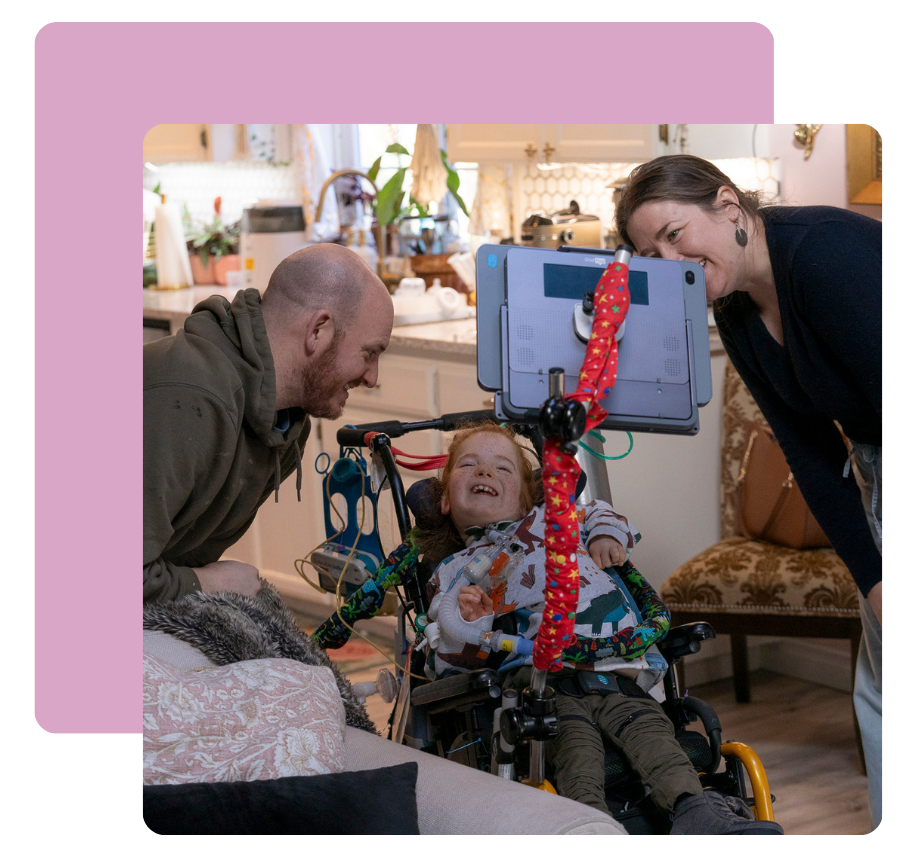
A chance to connect and build confidence
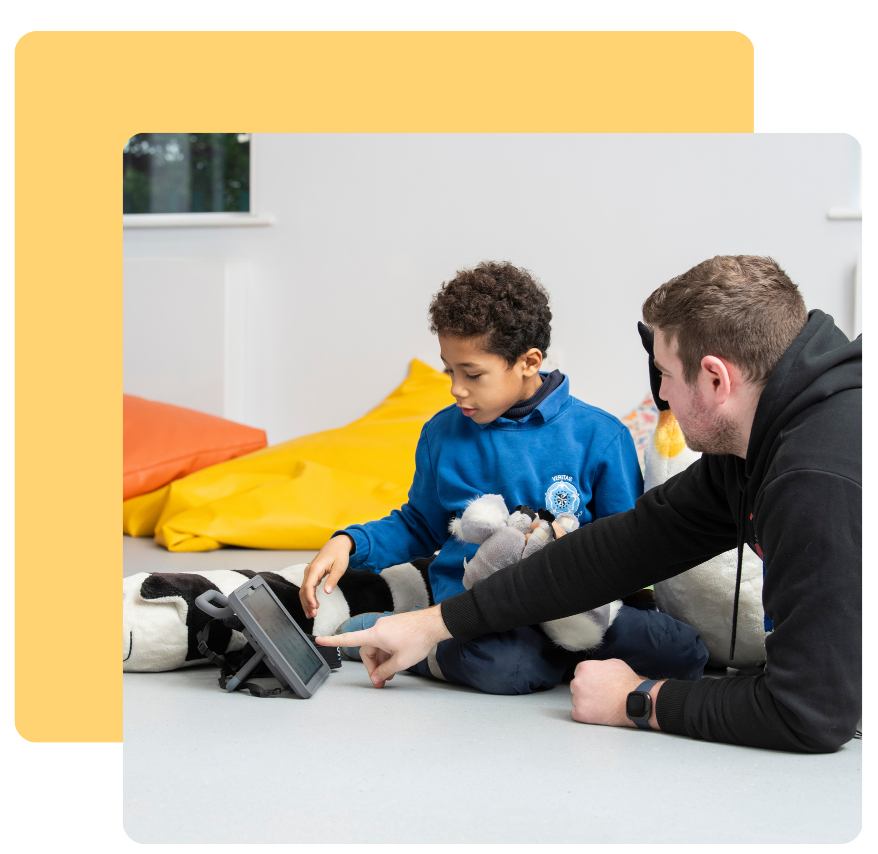
Final thoughts