Representation through language in AAC
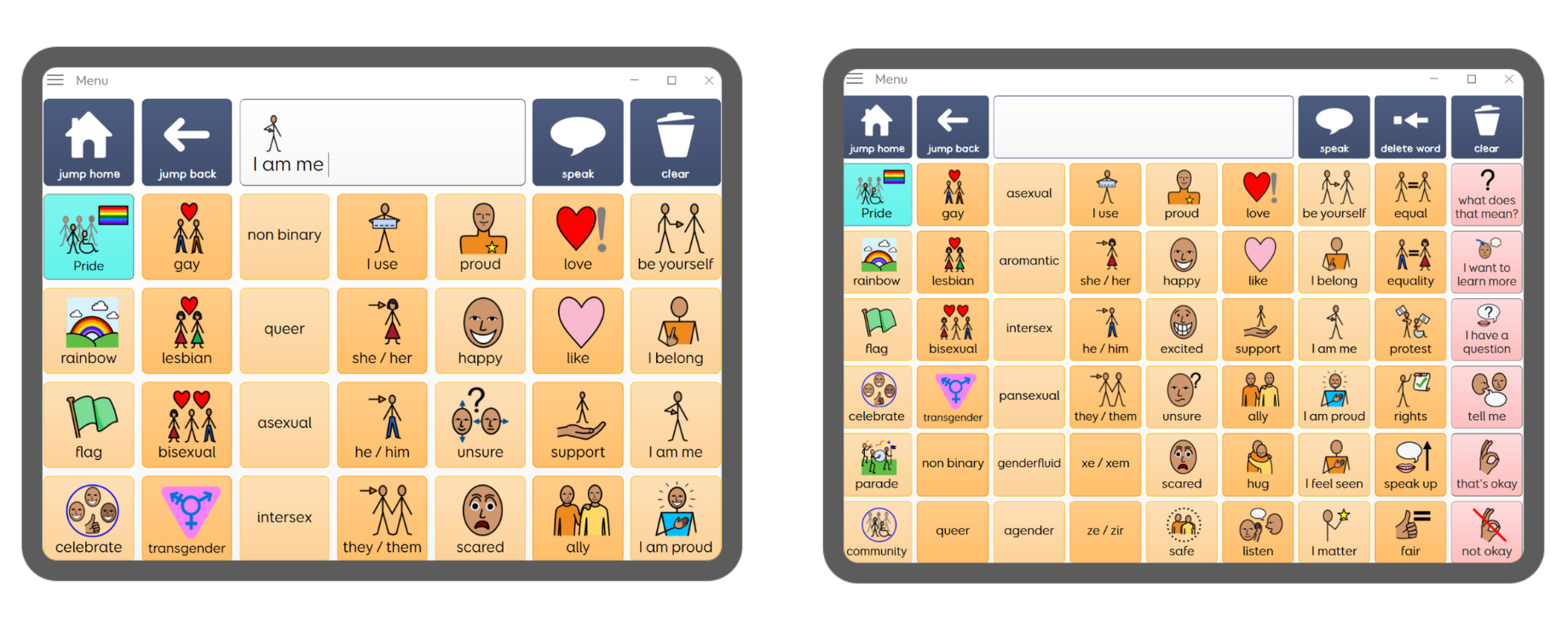
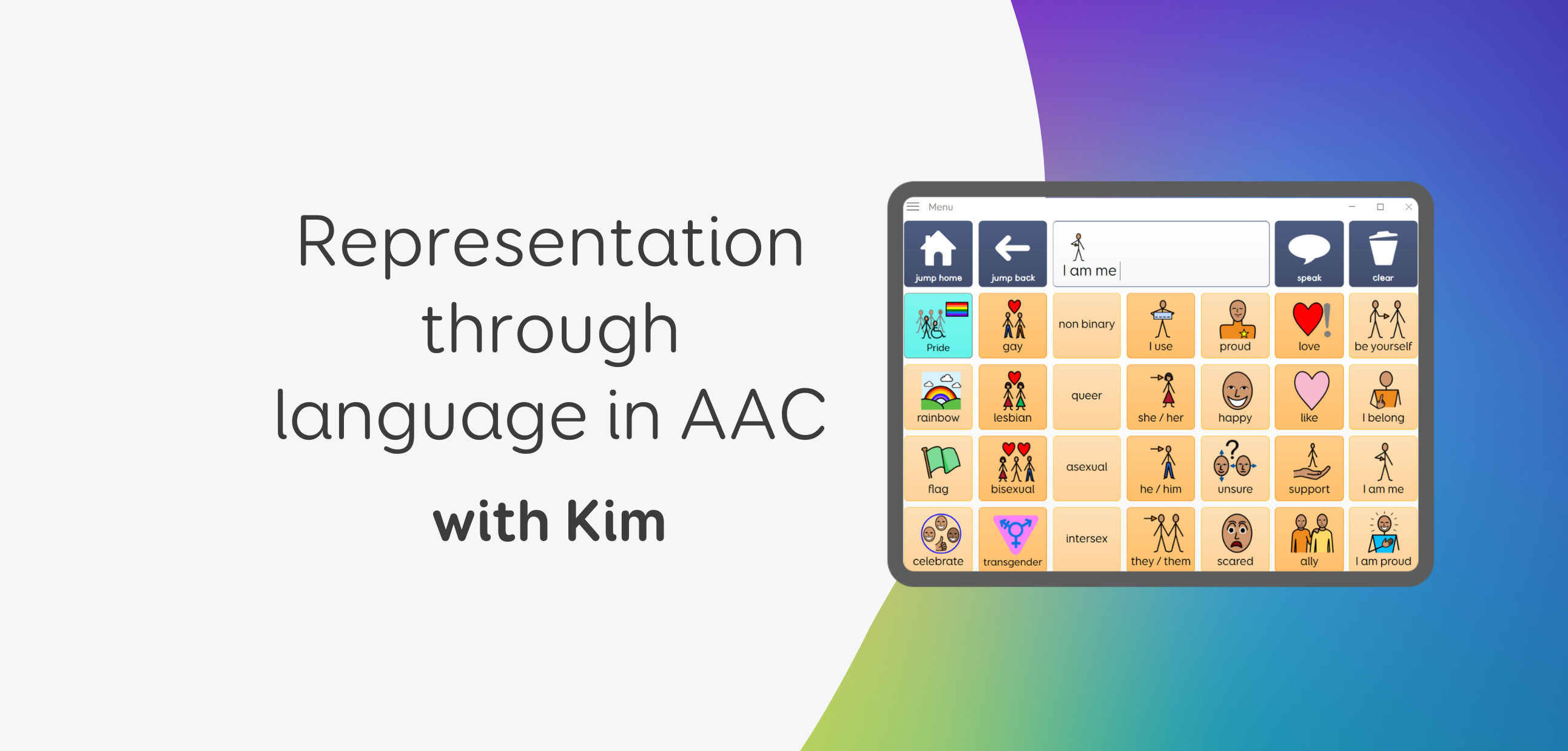
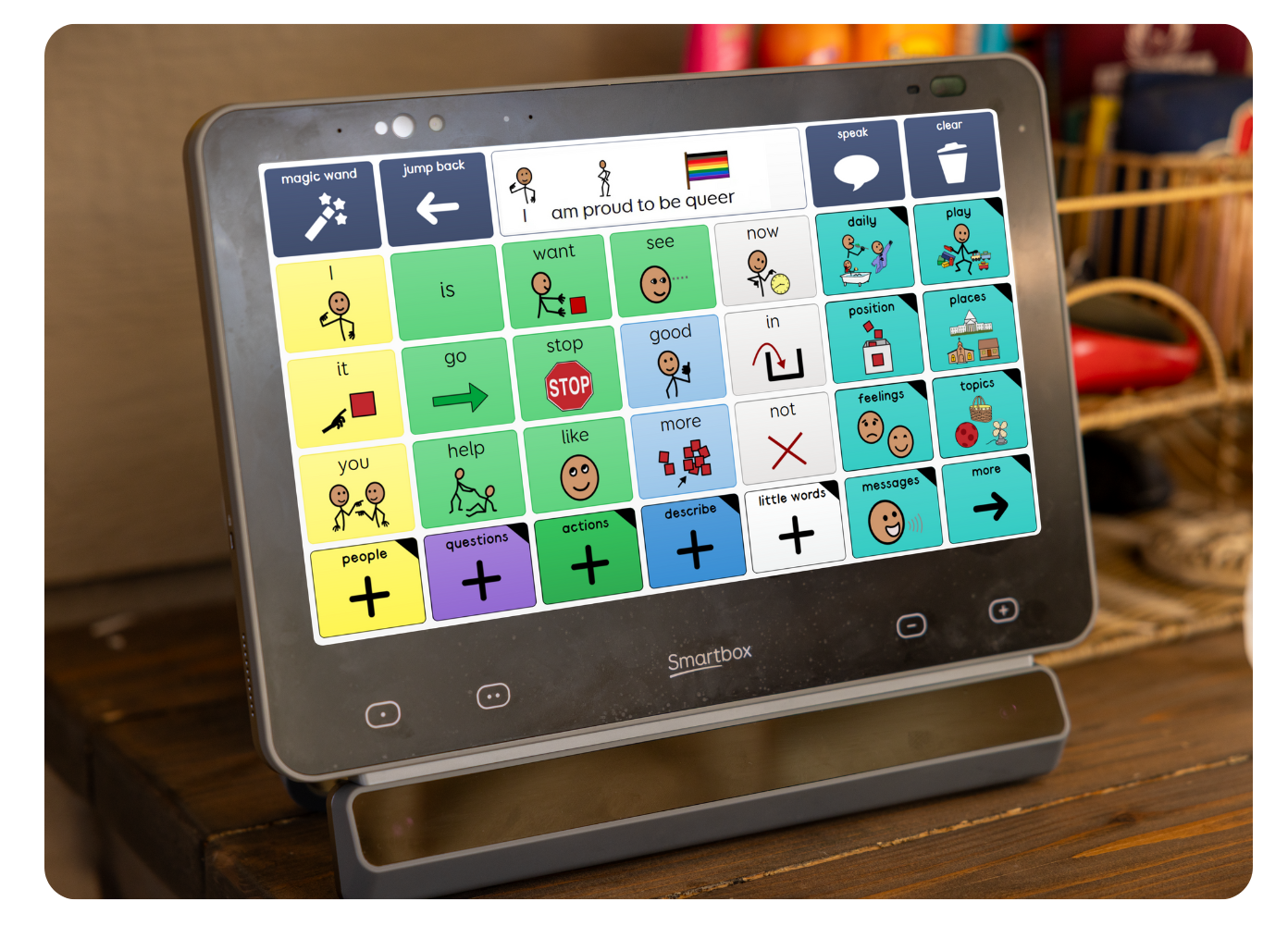
In this blog, our Grid for Schools Product Manager, Kim, shares why it’s important for AAC to include language around gender, identity, and relationships – and what that means for real inclusion. She explores how this vocabulary supports self-expression, connection, and belonging, helping AAC users talk about themselves and the people they care about in everyday life. Language about gender, identity and relationships hasn’t always been included in AAC. That’s not because it isn’t important, but because the focus was often placed elsewhere. Now, as conversations around inclusion and representation grow, it’s time for AAC vocabulary to grow too. LGBTQ+ vocabulary helps people share who they are, describe the people in their lives, and take part in everyday conversations. Words like Pride, gay, transgender, or my pronouns are support real self-expression, and when that language is available, it opens the door to connection, confidence and belonging. This isn’t just for people who identify as LGBTQ+. It’s for anyone who wants to describe a friend, talk about family, or take part in discussions in school, at work, or in the community. An AAC user might want to say “My friend is gay,” “My sister is trans,” “We learned about Pride,” or “I went to a Pride parade.” They might want to ask a question, show support, or simply join in. These are everyday interactions and everyone should have the language to take part. Sometimes people wonder whether this kind of vocabulary is appropriate, especially for younger AAC users or those with complex needs. But identity, family and relationships are part of life for everyone, not just adults. From the earliest stages of language development, we talk about parents, weddings, feelings, love, and people we care about. This is no different. It’s simply about reflecting the full range of human experience. And like all vocabulary in AAC, this language doesn’t tell anyone what to say. It just makes sure they can say it, if and when they choose to. That’s what true communication access means. Making these words available tells AAC users that their experiences are valid, their relationships are recognised, and their voices are welcome. As someone who’s part of the LGBTQ+ community, and someone who works in AAC, I believe this vocabulary belongs in every communication system, not just for those who may one day use it to describe themselves, but for anyone who wants to talk about the people in their life, understand the world around them, or stand beside others with empathy and respect. I have created some Super Core expansion grids that include LGBTQ+ vocabulary to support inclusive communication for all AAC users. They offer words to describe identity, talk about others, ask questions, and take part in everyday conversations, whether someone identifies as LGBTQ+ themselves or wants to talk about the people in their life. Instructions on how to add these pages into Super Core are included within the grid set itself.
Everyone deserves the words to talk about themselves and the people they love. That’s true for all of us. And it’s especially true for people who use AAC, whose ability to express themselves depends on having access to the right words at the right time. 
Because everyone deserves the words to belong.
Pride vocabulary – expansion grid sets in Super Core 30 and 50