
Exploring alternative access methods with Look Lab
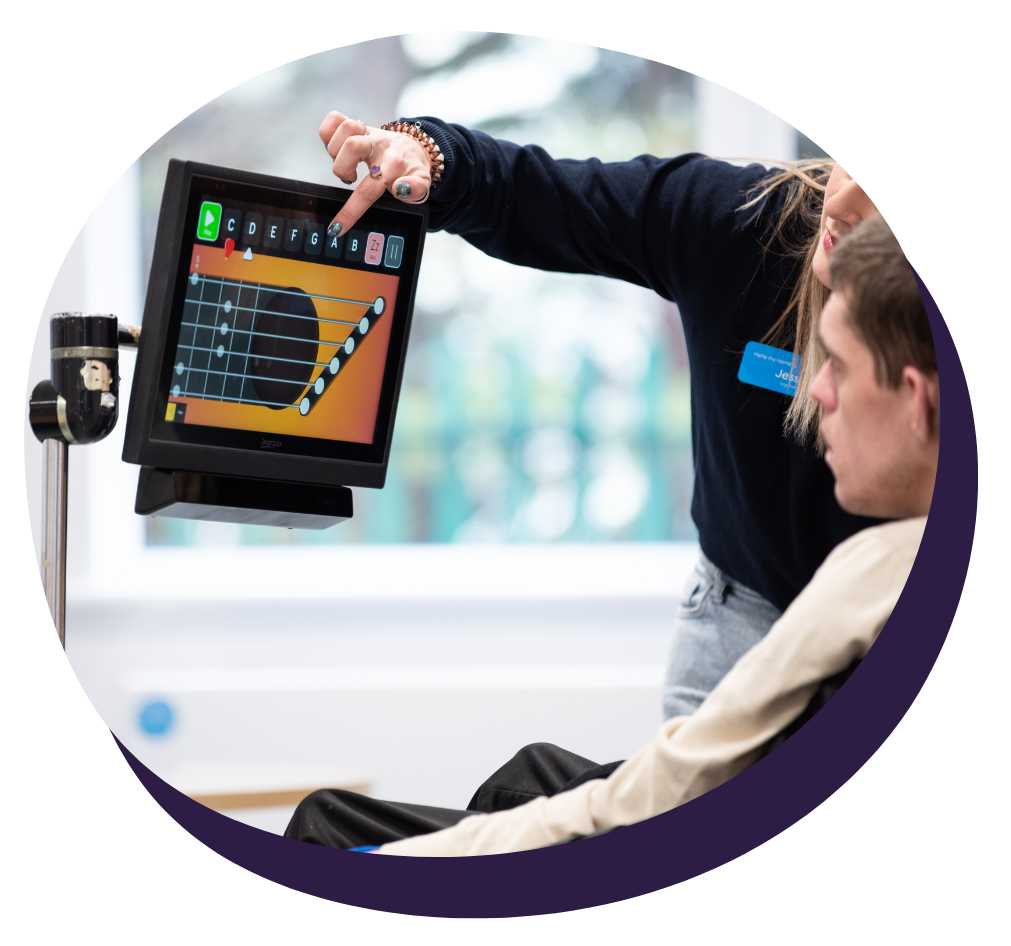
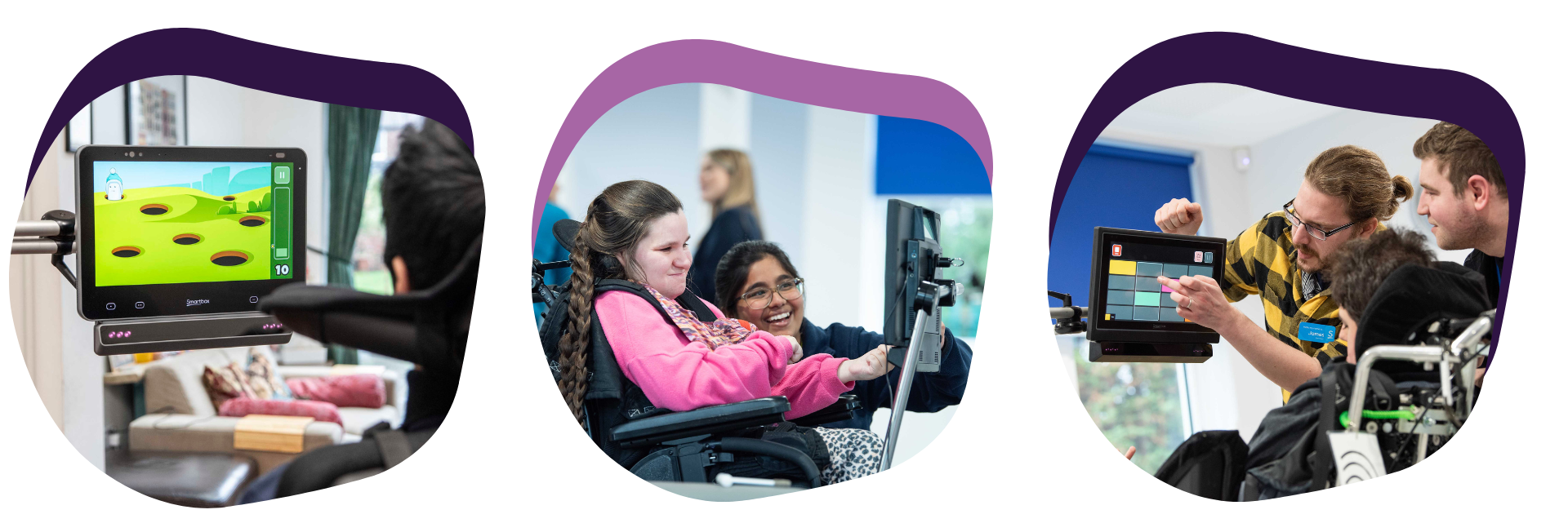
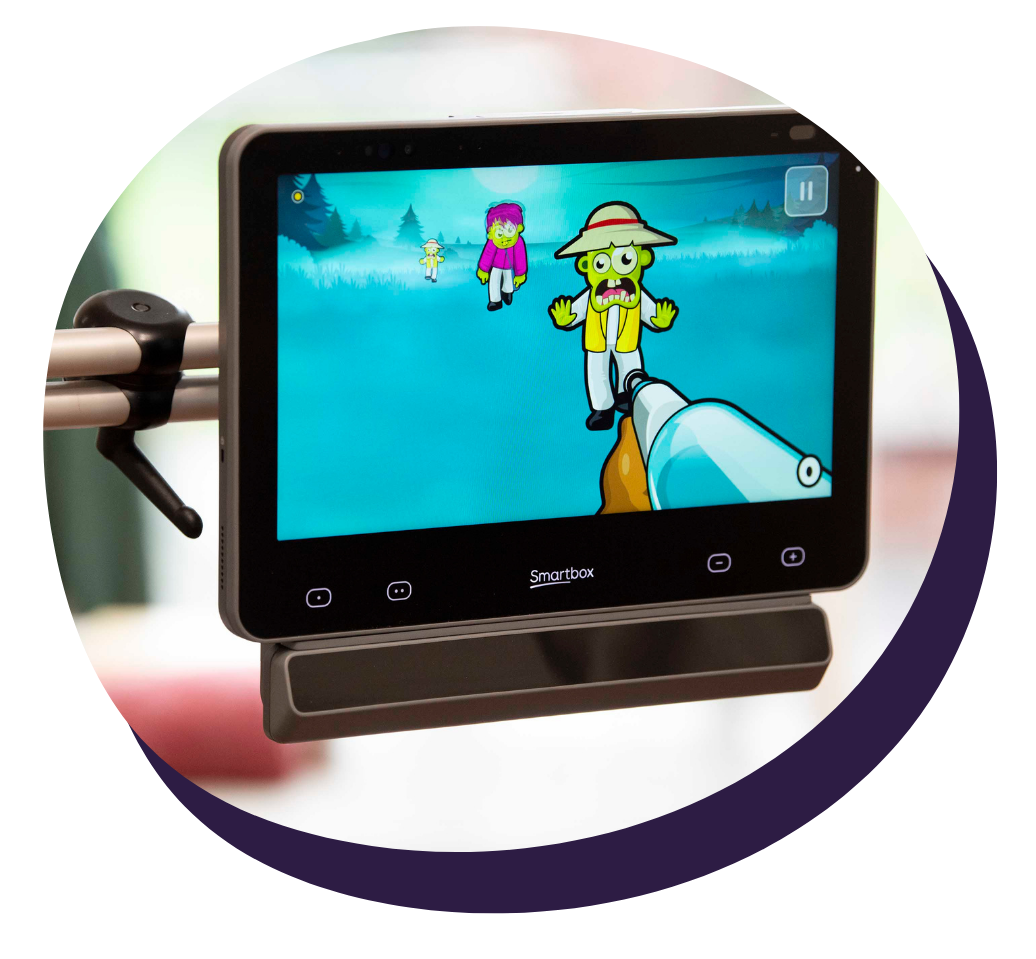
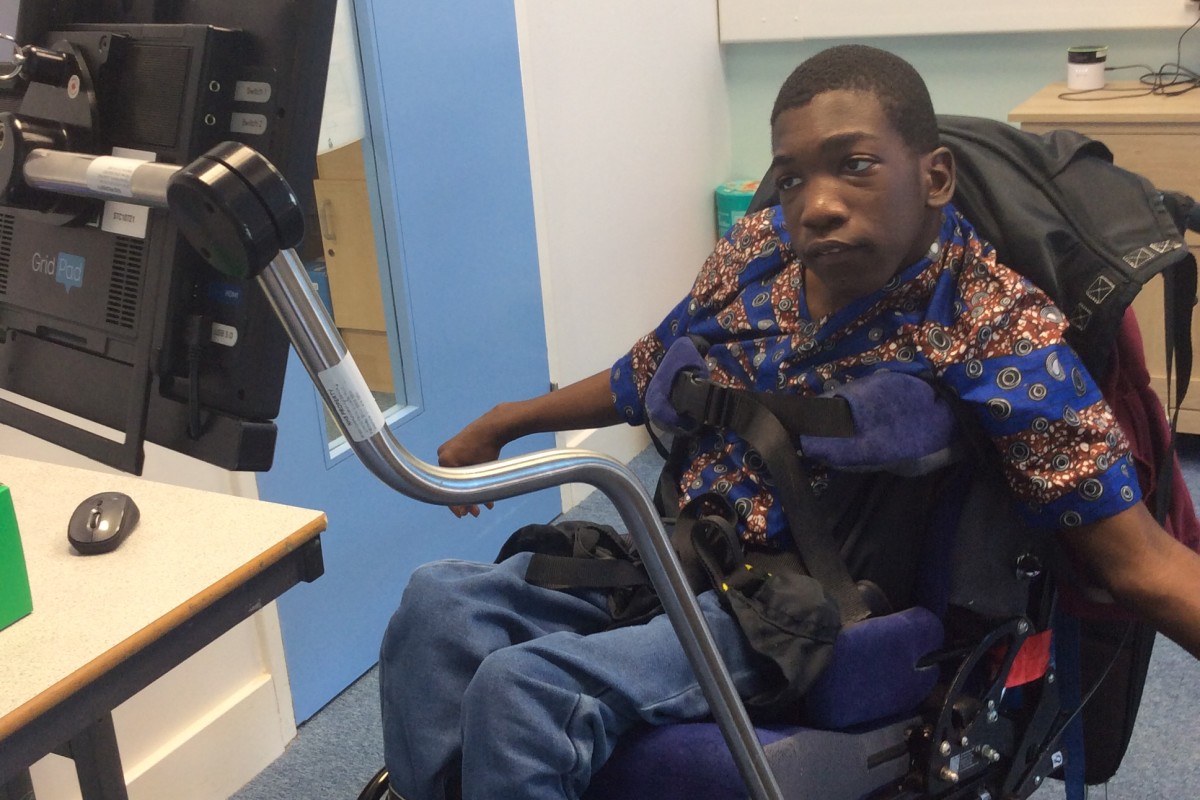
In this blog, Clinical AAC Specialist, Becky, explores how Look Lab – our activity-based software for eye gaze and head pointer users – can support skill-building, motivation and meaningful access. And that’s exactly what Look Lab is all about. It’s been two years since we launched Look Lab – a playful, multi-purpose software designed for anyone using eye gaze or USB access devices like head pointers. Since its release, Look Lab has become a go-to resource for people looking to practice their access skills, bond with their access method / AAC system, be creative, and to make decisions for themselves about what they enjoy or would like to explore. This blog explores what Look Lab is, who it’s for, and how it continues to support people with alternative access needs in fun, motivating and person-centred ways. Whether you’re just discovering Look Lab or looking for a refresher, we hope this gives you something useful, or even inspiring, to take away. So what is Look Lab? At its heart, Look Lab is a collection of 38 accessible activities, all designed to make skill-building through eye gaze and head pointer use motivating, achievable and fun. You might think of it like a treasure chest – filled with games, puzzles, creative spaces and calming moments. Each activity offers different opportunities to practice: Look Lab was designed with a broad user group in mind. That includes emerging communicators exploring cause and effect, as well as more experienced eye gaze users developing accuracy and control. These foundations are key to accessing more complex tools down the line – like communication grid sets or full computer control. We also knew it was important to create something flexible – a platform that could grow with someone’s skills. Whether it’s used for light-hearted fun or more structured assessment, Look Lab offers options that reflect the person’s goals, motivation, and preferred style of interaction. For some, that means relaxing, painting, or making music. For others, it’s about adrenaline, competition and smashing high scores. Look Lab supports both – and everything in between. One of the guiding principles behind Look Lab is that all practice should be person-led. That’s why we designed the accessibility options to match different levels of support: These modes support a smooth, personalised setup. Activities can be explored in Easy mode – where there’s no pressure, no time limit, and no chance of ‘failing’. For those who thrive on challenge, Standard mode introduces a more competitive experience. Even background visuals can be adapted to reduce cognitive load, offering clarity without compromising on engagement. Look Lab doesn’t just support users – it’s also a helpful tool for therapists and professionals. With heat maps to track eye movement and a workbook to set goals and record progress, Look Lab can contribute valuable insights during assessment and intervention. It can help teams identify strengths, observe patterns, and build a clearer picture of someone’s access journey. Whether used in clinics, classrooms or homes, Look Lab helps connect the dots between exploration, motivation and communication. For many people, eye gaze is an effective access method. But it can take time, energy and the right tools to get comfortable with. That’s where Look Lab shines. It makes the learning curve feel less like a mountain and more like an open road. From practicing basic interactions like tracking or dwelling, to developing precision and confidence across the screen, Look Lab offers a safe and enjoyable space to explore what’s possible. And because it integrates with Grid 3, communication doesn’t have to stop when the activity begins. You can switch seamlessly between Look Lab and your communication grids, making it easier to stay connected. We’ve grouped Look Lab’s activities into five easy-to-navigate categories: This variety means that whatever your mood or goal, there’s something to try – and something to enjoy. We’re proud to have worked closely with users and professionals during development. Feedback from people like Tolu, a Grid Pad user who tested Look Lab early on, helped shape the features and experience. Hearing how Look Lab fits into someone’s everyday life – how it brings joy, challenge, or a sense of progress – is what keeps us motivated. You can explore Look Lab for yourself with a free 14-day trial. Whether you’re just starting your eye gaze journey, supporting someone with access needs, or simply curious about new ways to connect and play – Look Lab is here to help make it meaningful.
In the world of assistive technology and AAC, alternative access is far from a new concept. But it’s a field that’s constantly evolving. With every new innovation, people who use alternative access methods, such as eye gaze or head pointers, gain more opportunities to engage with the world around them in meaningful, empowering ways.
Two years of Look Lab
A toolkit for learning, fun, and growth
Supporting communication and access
Practice that meets you where you are
A meaningful tool for professionals too
Making alternative access more accessible
Five categories, endless possibilities
Real voices, real impact
Want to try it?