3 ways to use Super Core: See and Say with Randee
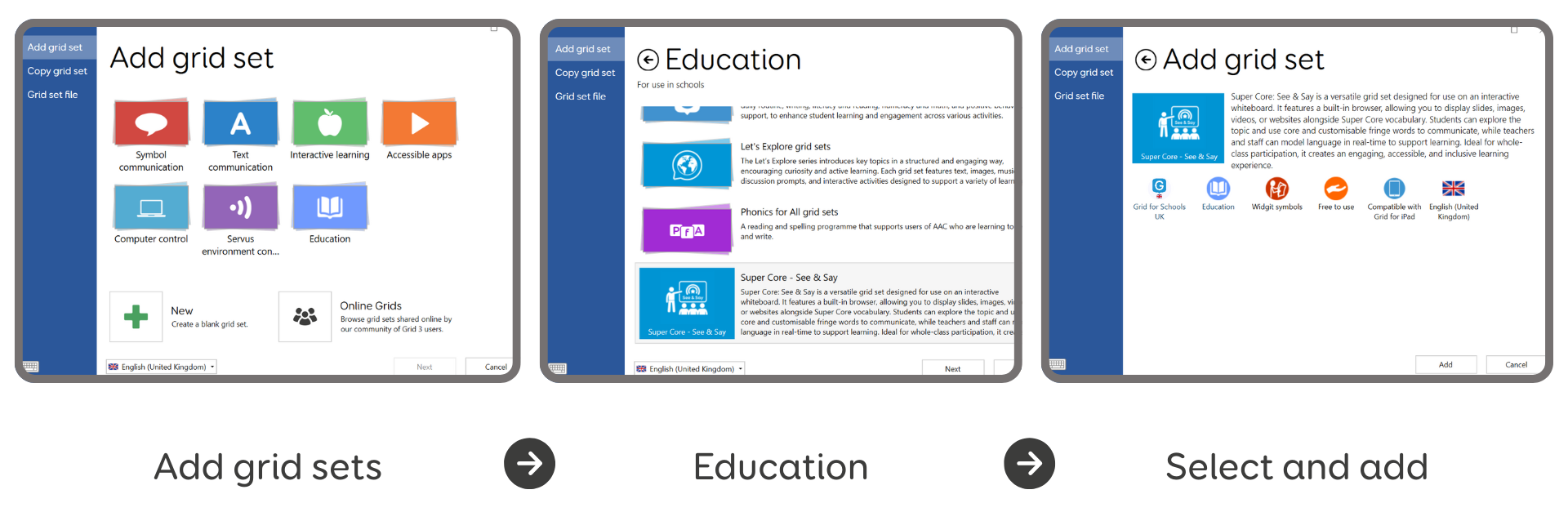
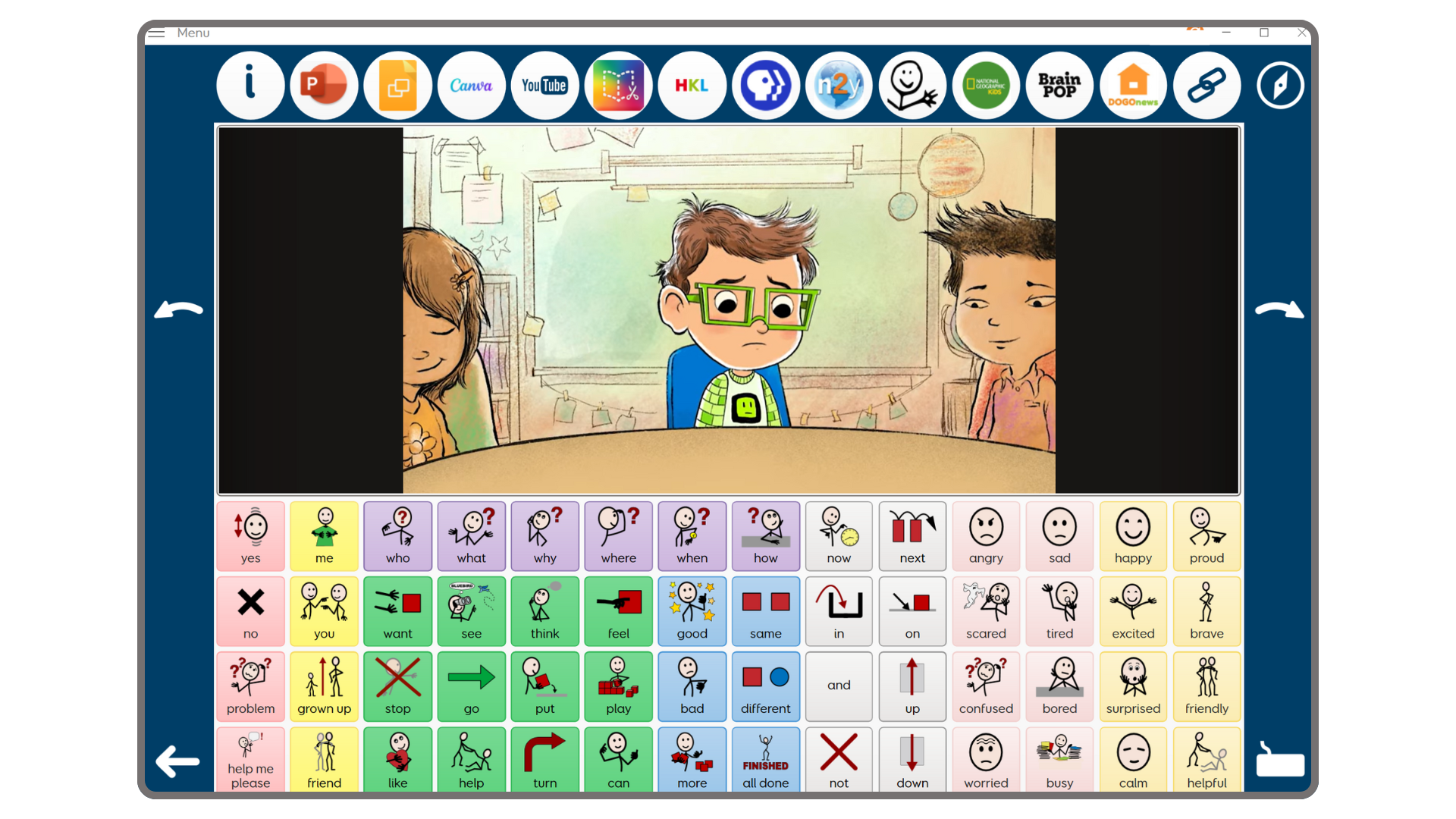
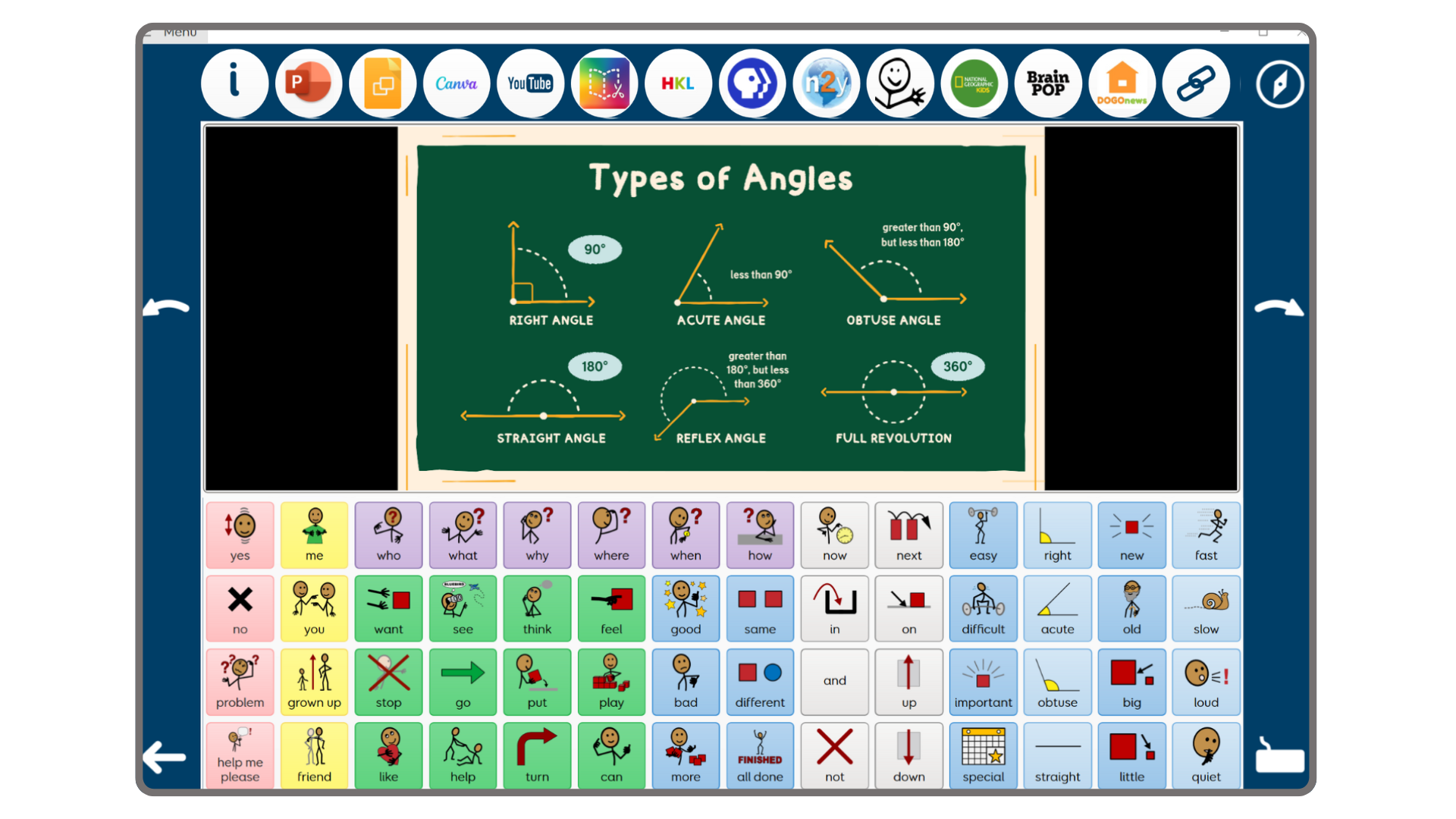
Super Core: See and Say, our latest addition to Grid for Schools, combines a web browser with Super Core vocabulary. Designed for use at the front of the classroom on an interactive white board, this grid set makes it simple to use all of your favorite online resources while still offering essential words for communication to your students. In this blog, our Trainer and Curriculum Content Specialist on our US team, Randee, shares three examples for incorporating Super Core: See and Say into the school day. ___________________________________________________________________________ Emotional check-ins provide important opportunities for students to connect with their feelings. Using emojis, calming visuals, or classroom photos through a slideshow or an educational video helps support fringe vocabulary such as “feel,” “good,” “not good,” “excited,” “worried,” “tired,” “ready,” and “talk.” These vocabulary supports, visually displayed under their corresponding images, allow for seamless instruction. Teachers can model core language alongside these words to encourage participation and self-awareness. This approach engages students in a meaningful way and increases their comprehension. A structured morning routine helps create a calm, predictable start to the day. Using a slideshow of still images or engaging songs through a video, students connect with the calendar to learn about days, months, numbers, and weather patterns. You can model core vocabulary such as “go,” “look,” and “want,” along with fringe vocabulary like “sunny,” “cloudy,” “yesterday,” and “tomorrow.” This daily practice supports language development, early math skills, and routine participation. Visuals paired with communication supports and daily repetition make the experience accessible and meaningful for all learners. Students with speech and language difficulties can explain their thought process when it comes to learning a new concept during a math lesson. If asked how they identified an acute right angle, they could use the vocabulary within Super Core: See and Say to communicate “acute + angle + small”. This serves as an example of a research-backed practice that promotes deeper understanding through verbalizing thought processes. If you’re not sure where to begin, the best advice is to start small. Try using Super Core: See and Say to introduce a new topic with an image or video or personalize the fringe words to match what you’re teaching that week. Use it for class discussion, for modeling routines, or to help students reflect on how they feel. There’s no pressure to use every feature, the goal is simply to make communication more visible, more interactive, and more inclusive. Because when AAC becomes a natural part of the classroom, students can take part in more than just the activity, they can take part in the conversation. Super Core: See and Say is available in Grid 3. You can find it by going to: Add grid set > Education > Super Core: See and Say Grid for Schools is a versatile education package that brings together everything you need to use AAC software in your school. The package includes 10+ licenses of Grid for iPad or Grid 3 at a discounted rate with tailored training, resources and support for educators. 
Emotional Check-ins
Morning Routines

Math Lesson
Where to start