
Embedding AAC into Oasis Academy school
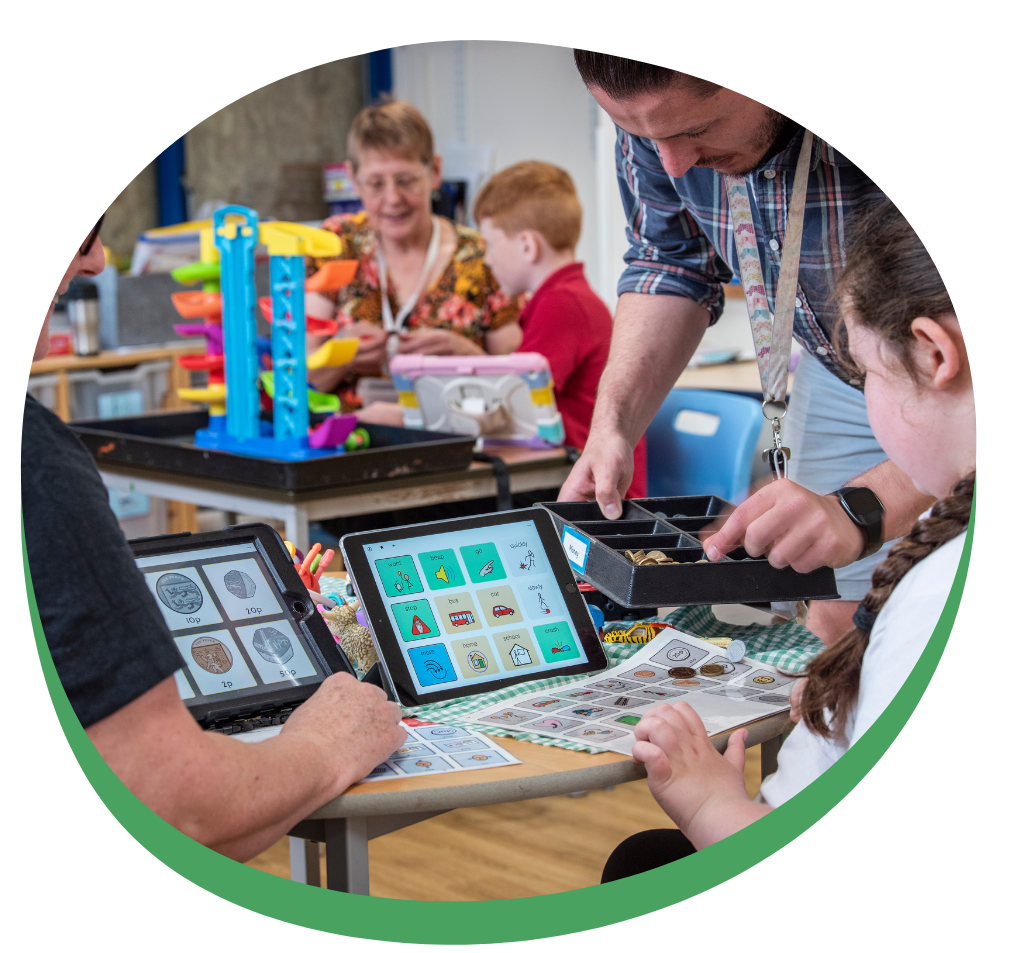
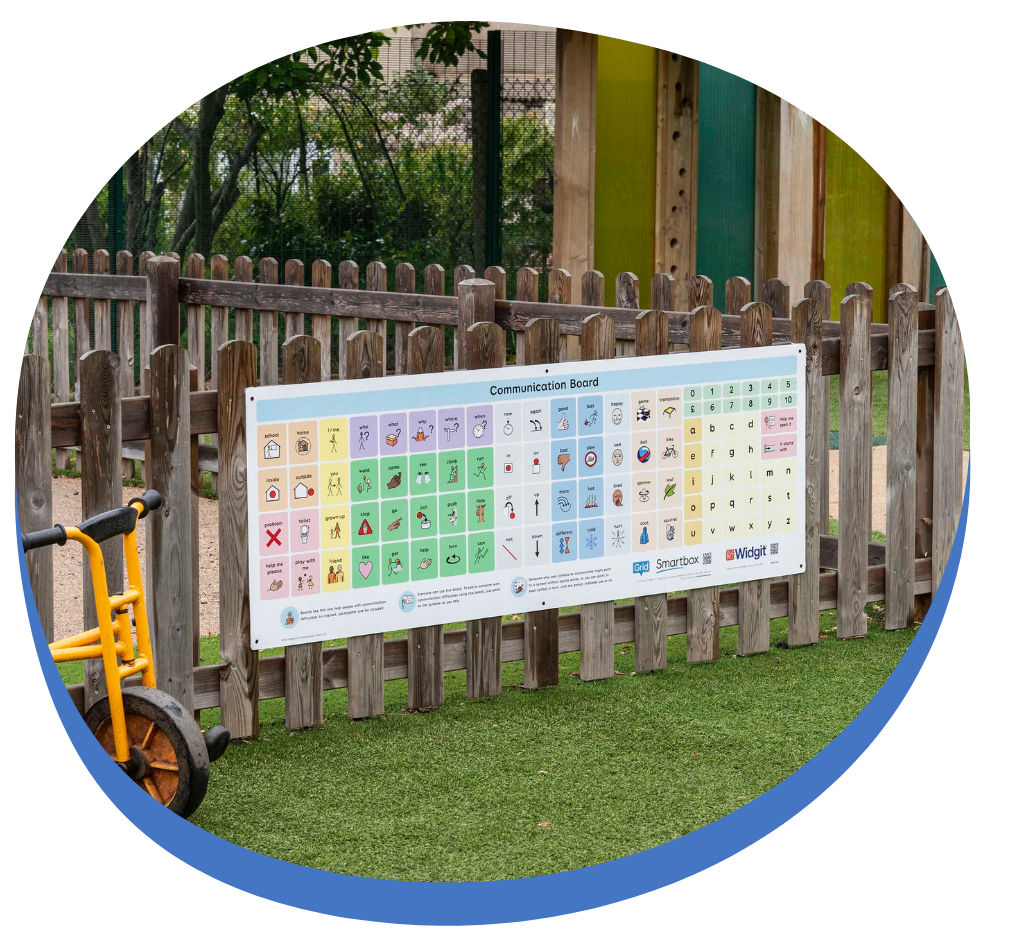
Oasis Academy, a primary school in the UK, is home to a Resource Base that supports children with a wide range of communication needs. With a strong commitment to total communication and inclusive practice, the school has embedded AAC (Augmentative and Alternative Communication) into all aspects of learning — from classrooms to the sensory room and playground. In this case study, we had a chat with Tom, Resource Base Teacher and Grid Lead, to explore how the team at Oasis Academy has integrated our Communication Boards into their environment, and the impact this has had on student interaction, communication development, and confidence. The Academy supports a diverse group of learners, many of whom are non-speaking or require AAC to support their expressive language. The Resource Base currently consists of five classrooms with space for 36 pupils, expanding to seven classrooms and 50 children in September 2025. Oasis Academy is proud to be described as a ‘total communication’ environment. Both a Communication Lead and Grid Lead help ensure that communication remains central to every decision and activity. From symbol-based boards and photographic visuals to Makaton and high-tech tools like Grid, students benefit from a wide range of AAC supports. The school’s sensory room is a highly motivating space featuring swings, a trampoline, a light cube, and vibrating pads. It offers sensory input and regulation opportunities, which can be particularly important for students with complex needs. The addition of a Smartbox Communication Board has opened up new opportunities for self-expression in this space. Staff have observed a variety of purposeful interactions – from students using symbols to request favourite activities, such as the swing, to exploring the letter section to spell out motivating words. Having AAC tools in this space ensures that all children, regardless of their communication style, have access to functional language in moments of joy and engagement. Oasis Academy also has a specially-designed playground for their Resource Base classrooms, featuring a sunken trampoline, climbing frames, spinning chairs, and bikes – making it a natural space for exploration, regulation, and social interaction. Previously, communication opportunities here were sometimes missed. But since introducing a communication board in the playground, there has been a noticeable shift: The board encourages communication modelling, requesting, commenting, and shared experiences. Staff are often seen using it to mirror children’s actions, respond to their requests, or model new language. Since implementing communication boards in both the sensory room and playground, staff have observed meaningful improvements in student communication, especially for those who already use symbols in other areas of the school. Children are initiating more spontaneous interactions, showing increased confidence, and engaging more deeply with staff and peers. For other schools considering similar AAC supports, the message from Oasis Academy is: Their experience shows that communication boards are more than a resource; they are a powerful way to build connection, promote independence, and ensure that every child has a voice. Want to see how others are using Grid in their everyday lives? Join our Smartbox Community group on Facebook to connect with families, professionals, and AAC users around the world. It’s a great place to share ideas, ask questions, and see real-life examples of AAC and Grid in action.About the school

Supporting communication in the sensory room
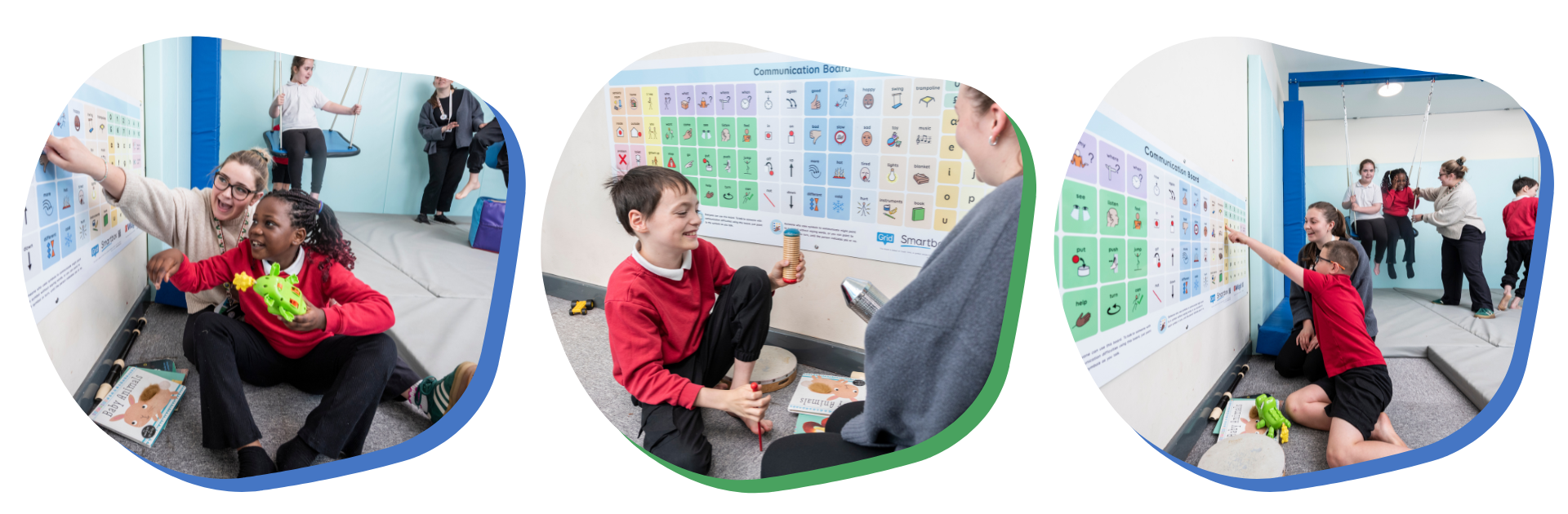
“This part of the school is highly motivating for many children and high motivation often leads to the best communication opportunities.”
Making playtime more communicative
“Now, the board enables more functional and meaningful exchanges between adults and children.”
Impact and outcomes
“Being able to develop communication skills in spaces that are motivating and relationship-centred is key.”
Advice for other schools
“In any setting, there will always be a child whose communication can be supported with the use of AAC supports. Whether it is their primary communication strategy or an aid to others, the supports are of vital importance in helping us meet the needs of our children. If the supports impact one child, that is enough. Empowering children to be independent and motivated communicators should be of the highest priority and these supports aid in achieving that goal.”
Join our community