How AAC access methods evolve with ALS/MND
Amyotrophic lateral sclerosis (ALS), a form of motor neurone disease (MND), is a progressive neurodegenerative disorder that affects nerve cells in the brain and spinal cord. This leads to muscle weakness and loss of control over voluntary movements like walking, talking and breathing. In this blog, CCC-SLP, Amanda, shares her insight into how Augmentative and Alternative Communication (AAC) tools can support people living with ALS and why it’s important to adapt access methods over time. When someone is diagnosed with ALS, maintaining effective communication becomes a primary concern. Augmentative and Alternative Communication (AAC) tools are not one-size-fits-all and may need to change as the disease progresses. As clinicians, caregivers and AAC professionals, understanding how access needs to evolve is key to keeping communication effective, empowering and timely. Each person’s journey with ALS is different, and we meet them at different stages. In the early stages of ALS, individuals may still have fine motor control. This is an ideal time to introduce AAC systems, even if speech is still functional, to explore tools while access is easiest. Common access methods: Clinical tip: Start trials early and include training for future access methods (like eye gaze or switch scanning) even if they are not needed yet. This builds comfort and reduces stress later. As muscle weakness progresses, fine motor access may become more fatiguing or inconsistent. Users might need to transition from touchscreens or keyboards to systems that support less precise movements. Clinical tip: As access needs evolve and individuals begin to rely more on technology, it’s essential to implement low-tech AAC options in parallel. These tools—such as communication boards/books, yes/no indicators, and E-Tran frames—serve as vital backups when high-tech systems are unavailable or fail. Smartbox solution: Grid 3 and Grid for iPad support flexible access profiles. Devices like the Grid Pad 13 or 16 can accommodate multiple access points, including switches, touch and USB devices, allowing adaptation without changing systems. For many individuals with ALS, eye movement remains strong even as other motor abilities decline. Eye gaze becomes the most reliable and comfortable method for communication, especially with a well-calibrated system and personalized layout. Access needs can vary throughout the progression of the disease and within a single day. Fatigue, mood and positioning all play a role. Flexibility in software and hardware is essential. Clinical tip: Create multiple user profiles in Grid with different access settings. A user might prefer eye gaze in the morning and switch access later in the day. Grid makes it easy to toggle between setups with a single button. ALS does not follow a strict timeline, and neither should AAC. Offering choice, flexibility and support at every stage helps preserve autonomy, dignity and self-expression. Discover more about Grid and the alternative access options available below. Amanda Grabiner is a speech-language pathologist with nearly a decade of experience supporting individuals who use AAC. She spent six years working at the ALS Association before joining Smartbox, where she has been for the past four years. Amanda now serves on the Clinical Education Team at Smartbox, creating resources and training to empower SLPs and AAC users alike.
Hands-on communication
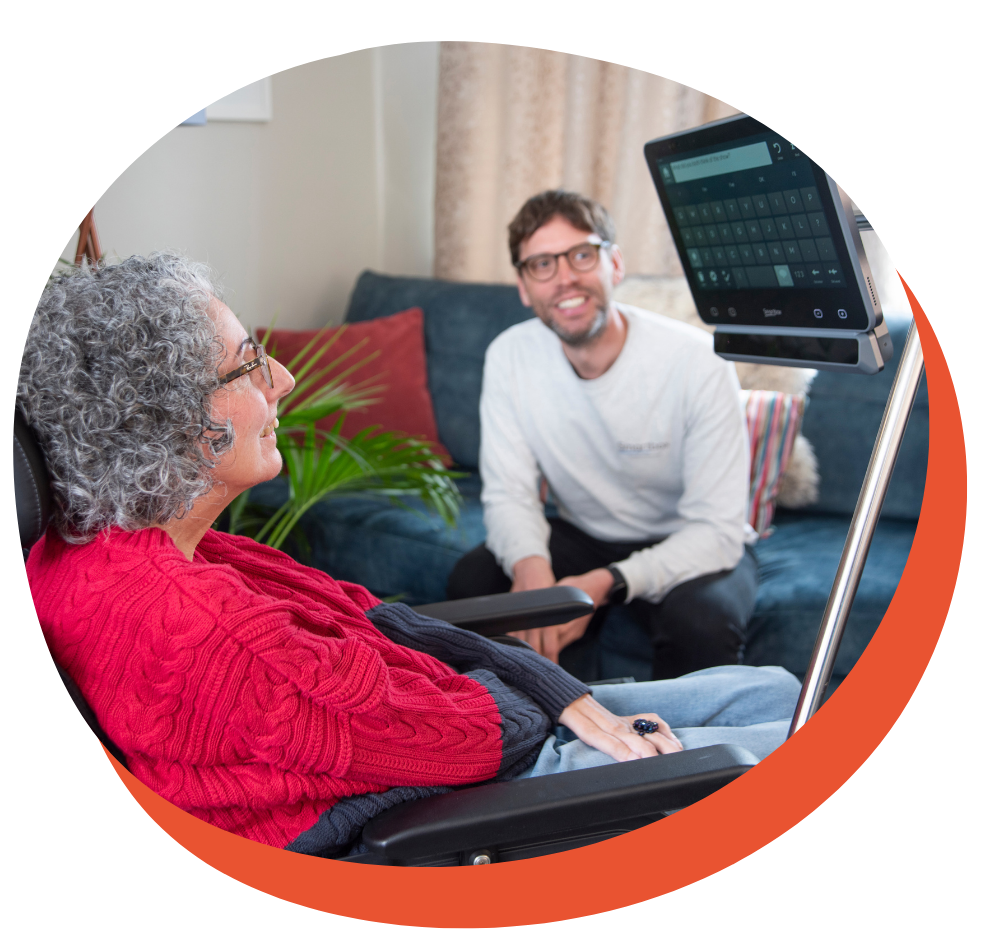
Adapting to changing motor function
Common access methods:
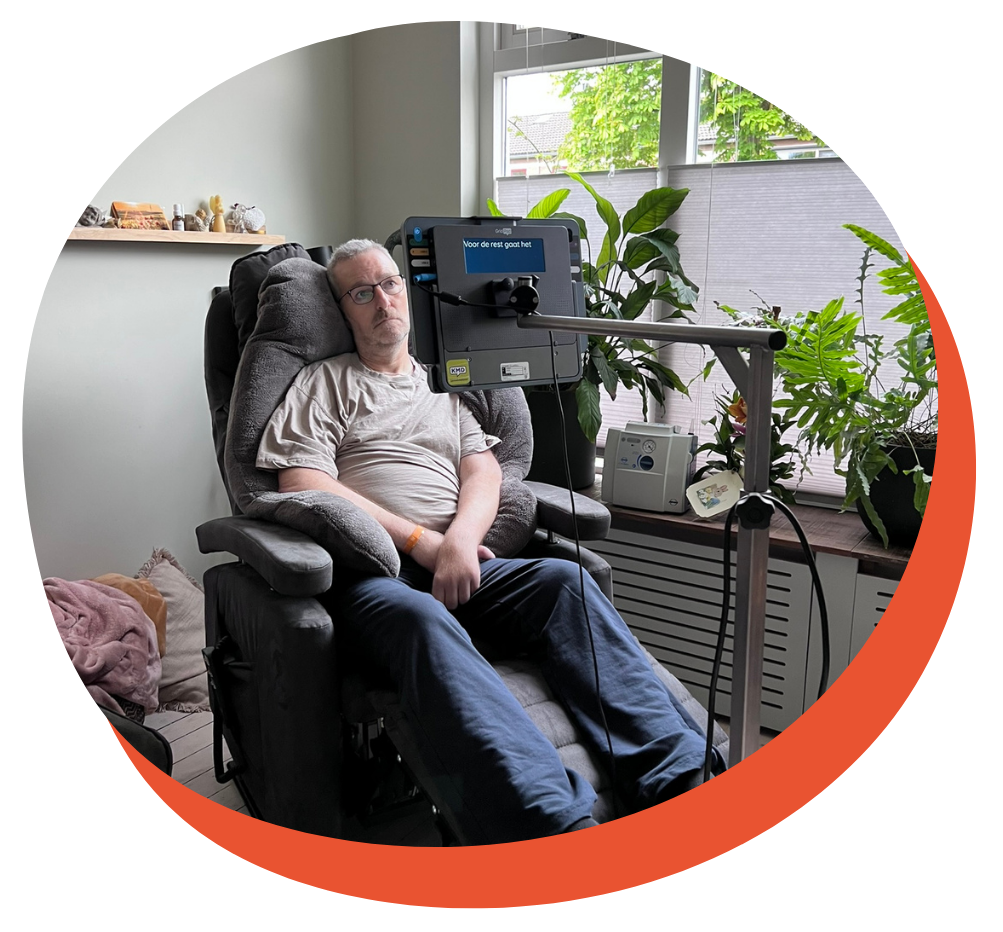
Eye gaze and beyond
Common access methods:
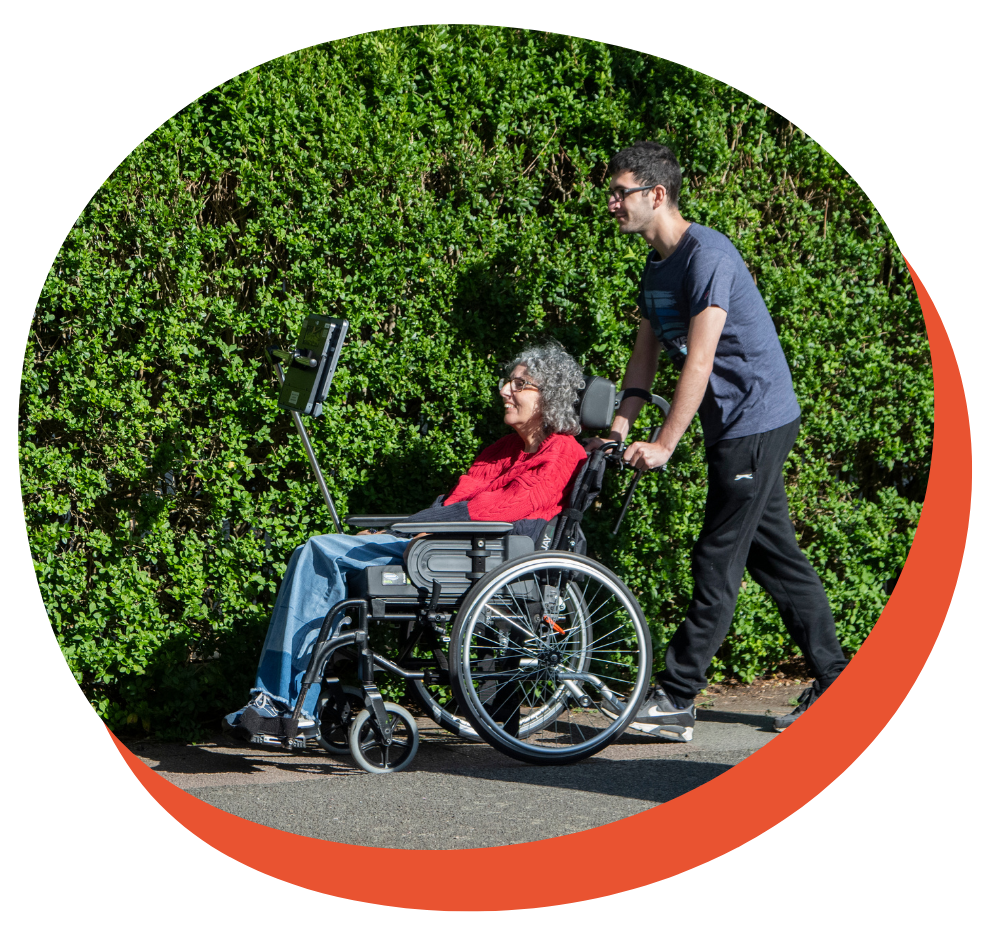
Matching access to the moment
Want to learn more about access tools in Grid?