Mesa Public Schools
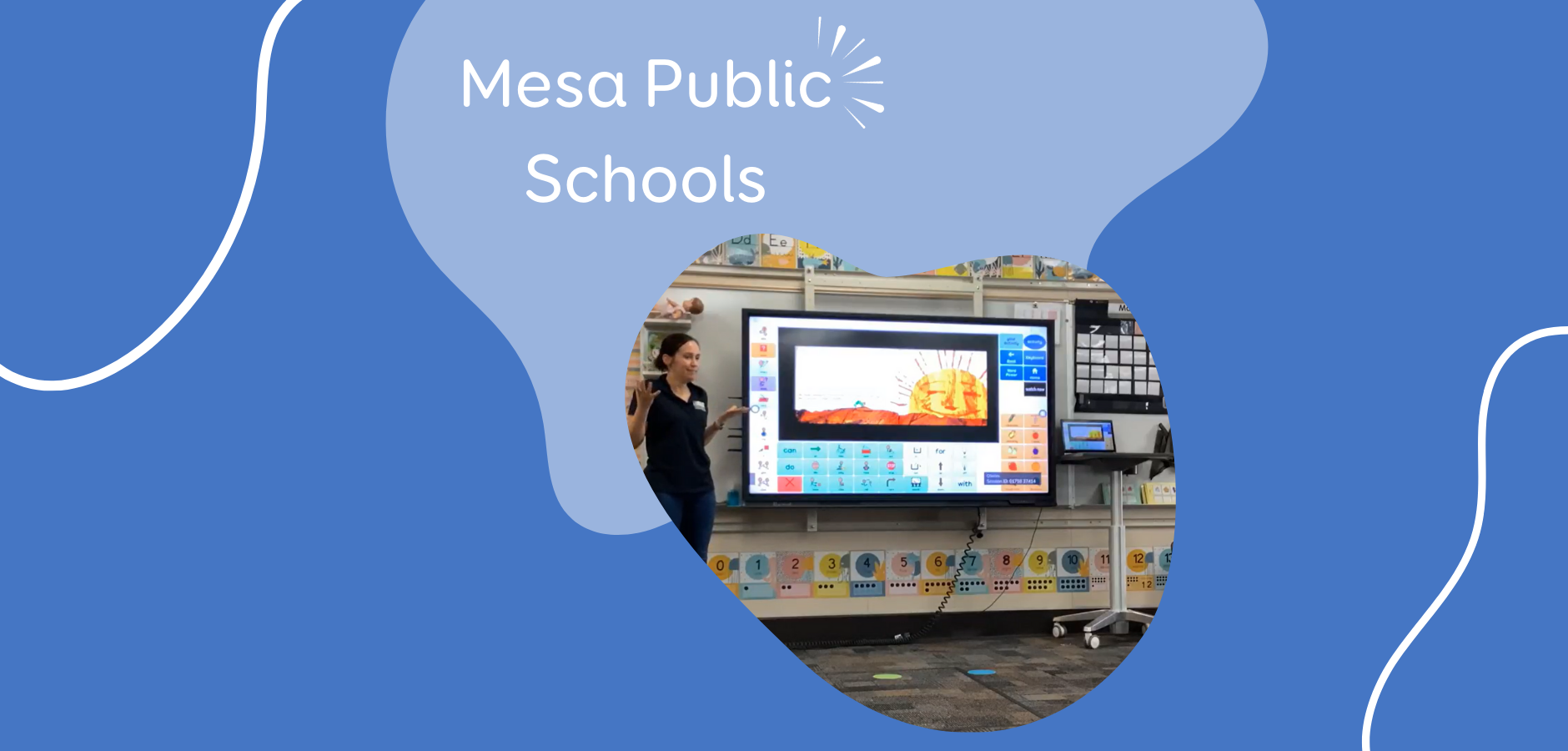
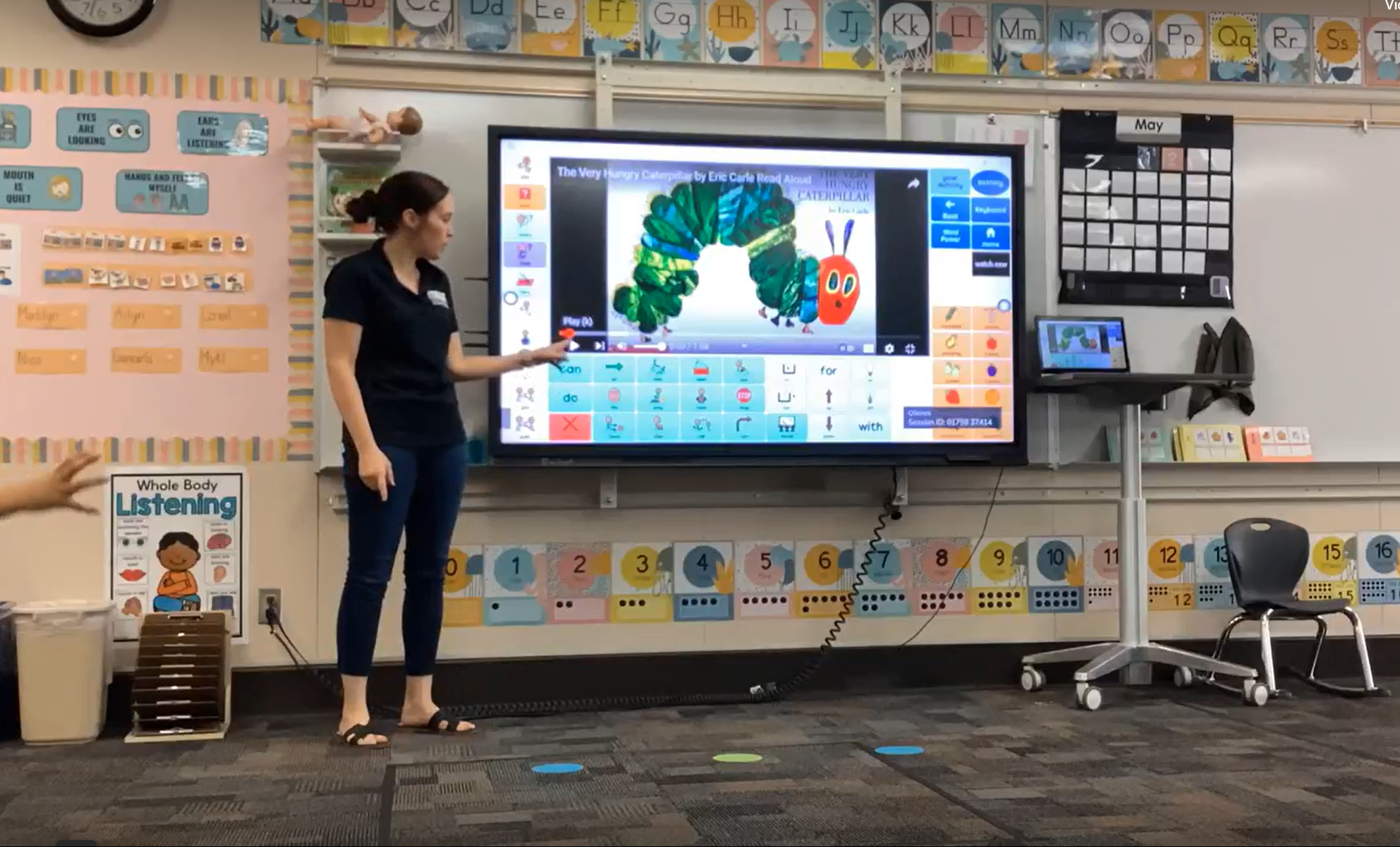
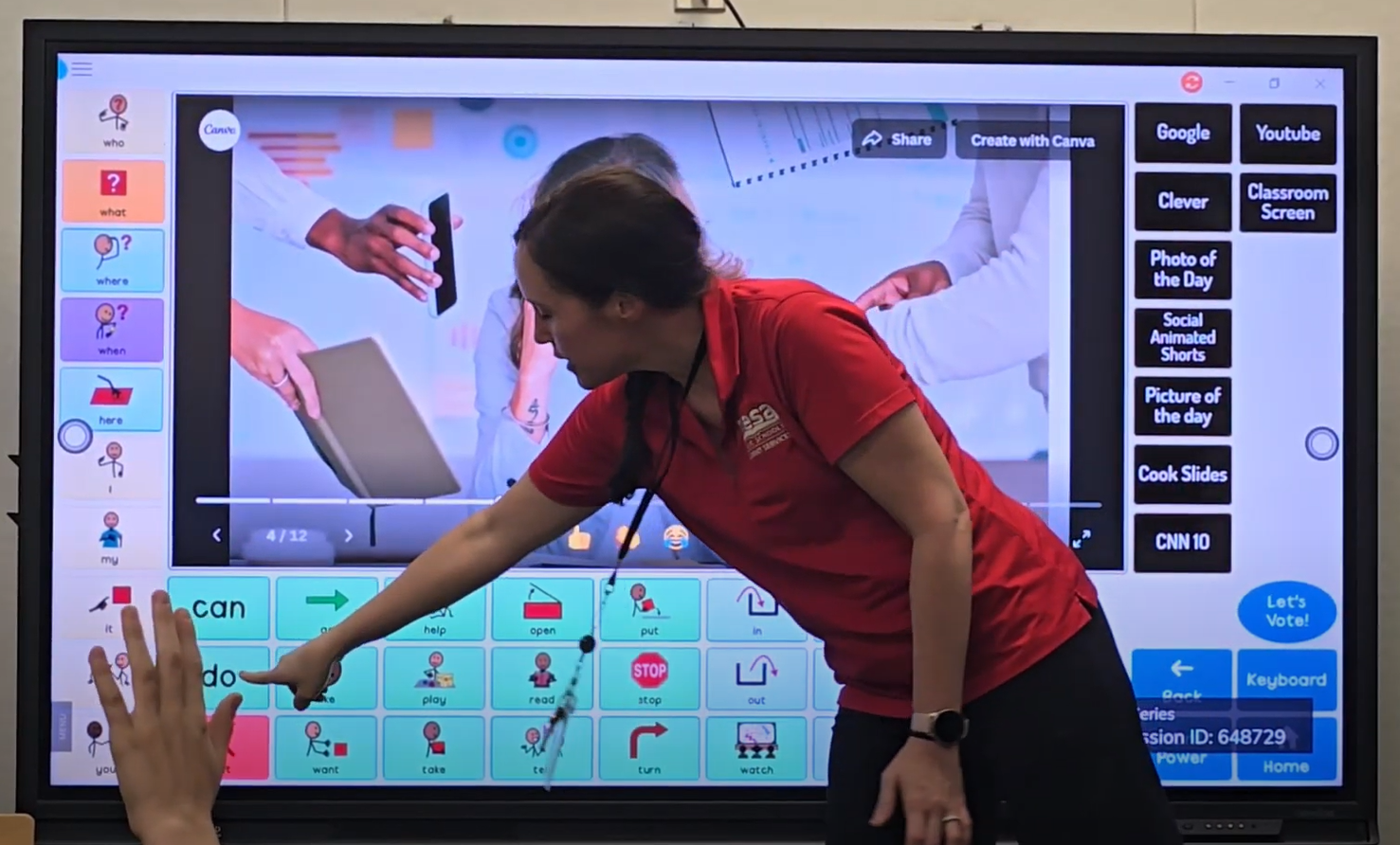
Mesa Public Schools is a school district located in Mesa, Arizona with over 64,000 students. Samantha and Becky, two members of the school’s Assistive Technology Department, recently shared their experience with using Grid in the classroom. Learn more about Mesa Public Schools and how they are using Grid below. Mesa Public Schools, Arizona’s largest public school district, is committed to providing students with a high-quality education in a safe and caring environment. The district’s promise is to know every student by name and serve them by strength and need so that they graduate ready for college, career and community. As an assistive technology department, we continually seek ways to help teachers and staff increase modeling. We understand the challenges of delivering engaging lessons, targeting specific goals, and collecting data while also modeling augmentative and alternative communication (AAC). When our local Smartbox representative demonstrated how websites could be integrated into grid sets, we knew we had discovered something valuable. Staff can model and teach with embedded picture icons around pre-existing lessons. Since our district uses interactive whiteboards, students can go up to the board and select icons to communicate with the whole class. This also allows for speaking students to connect with their non-speaking and minimally speaking peers. Grid has changed the communication culture. All communication matters in our classrooms. We know that the more modeling of augmentative and alternative communication the better. With Grid built into our classrooms, not only are teachers modeling more but so are students, and what is more powerful than peer modeling? Customized grid sets have been created for our district to make modeling while teaching manageable. We designed a core language wrap that aligns with our Tier 1 AAC system.* This wrap is positioned around a web browser, allowing teachers to access digital lessons and materials while maintaining access to core vocabulary symbols. Additionally, we aimed to increase inclusivity and participation for all students. By using the district curriculum and evidence-based activities, we built grid sets that enable students to participate in various ways. Another benefit of having Grid in our classrooms is that it provides staff and students with unrestricted access to a robust communication system on their interactive whiteboards. *A Tier 1 AAC system is the specific language system that is tried first because it meets the communication needs of most students. The web browser feature provides the ability to create customized grid sets in a way that teachers can teach and model at the same time. Last school year, our goal was to roll out the software. This year, our focus is on implementation. We will use microlearning lessons to increase capacity and support staff in using Grid. Becky Woolley, C-SLPA, ATP, and Assistive Technology Facilitator at Mesa Public Schools, has been a member of the AT department for 3 years. Prior to joining the AT department, Becky worked as an SLPA in public school settings for approximately 10 years. Becky is currently a member of the Arizona Speech-Language Hearing Associations AAC committee. Samantha Hagness, M.S., CCC-SLP, and Assistive Technology Specialist at Mesa Public Schools has been a member of the AT department for 2 years. Prior to joining the AT Department, Samantha worked as an SLP in public schools for approximately 10 years. Samantha is an active member of Arizona’s Speech-Language-Hearing Association and is currently serving as a member of the community relations and AAC committee.Tell us a bit about Mesa Public Schools
How did the school start using Grid?
Can you tell us more about how the students are communicating?
How has it made a difference to your students?
How are you using Grid in the classroom?
Are there any Grid features that have been particularly useful?
What’s next for the school?