Our Assistive Technology (AT) visit service
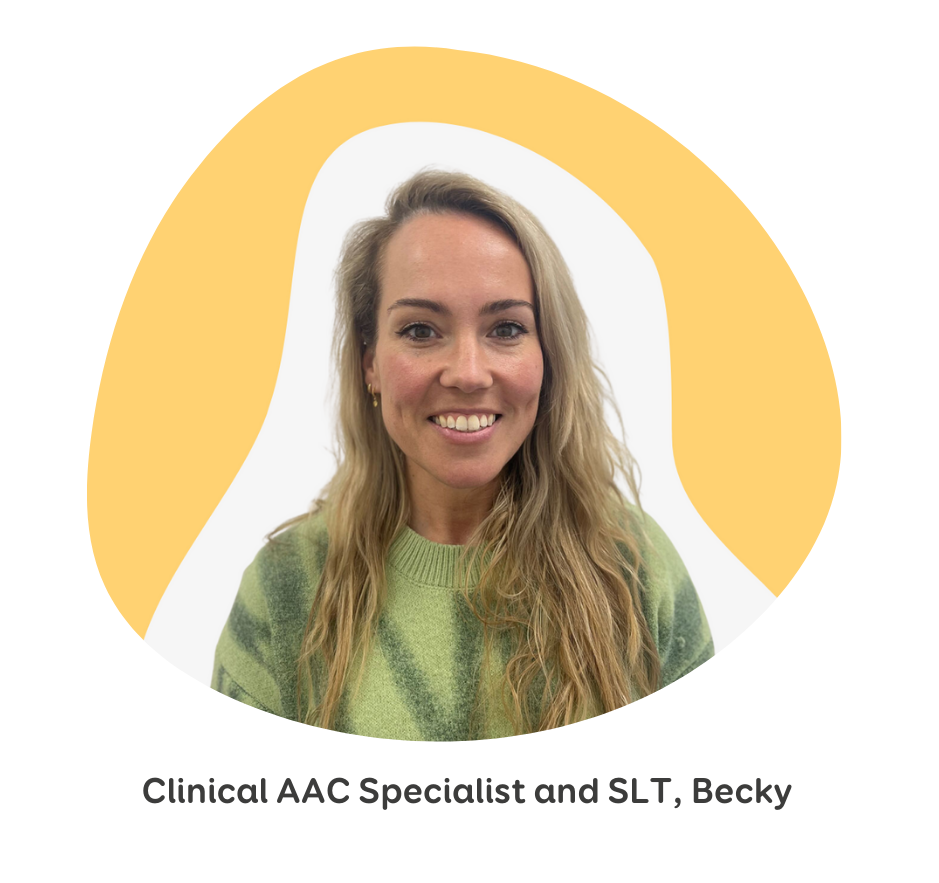
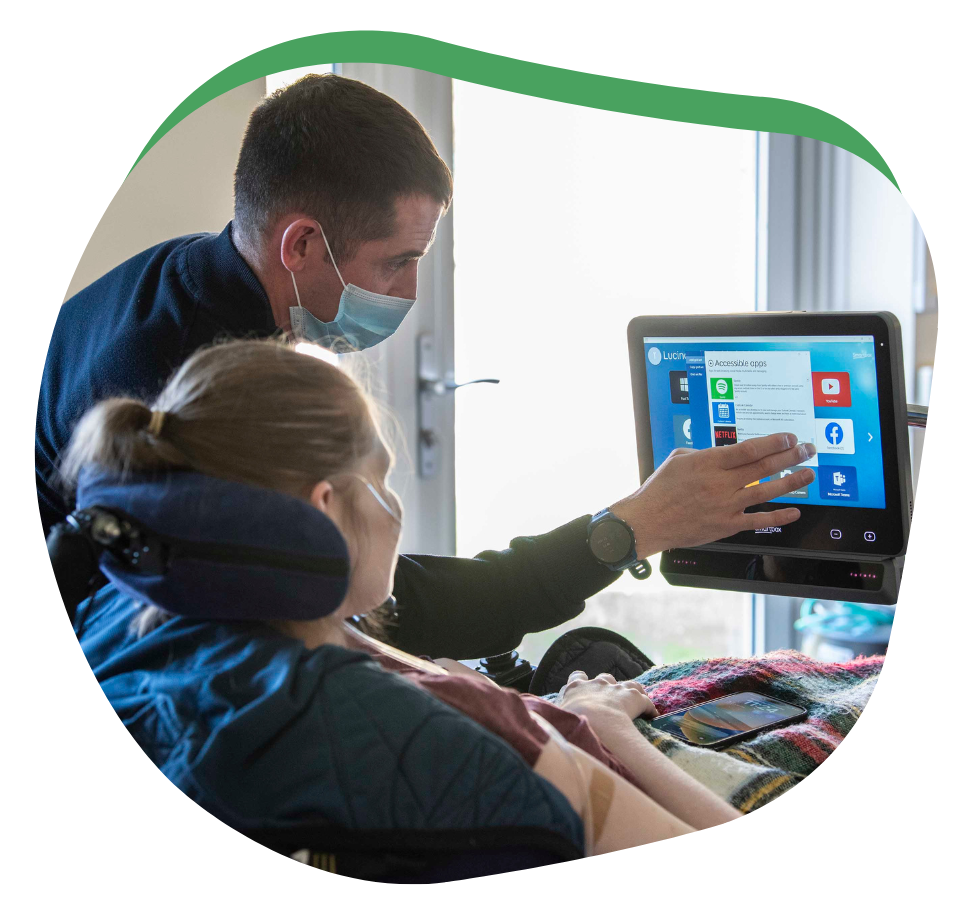
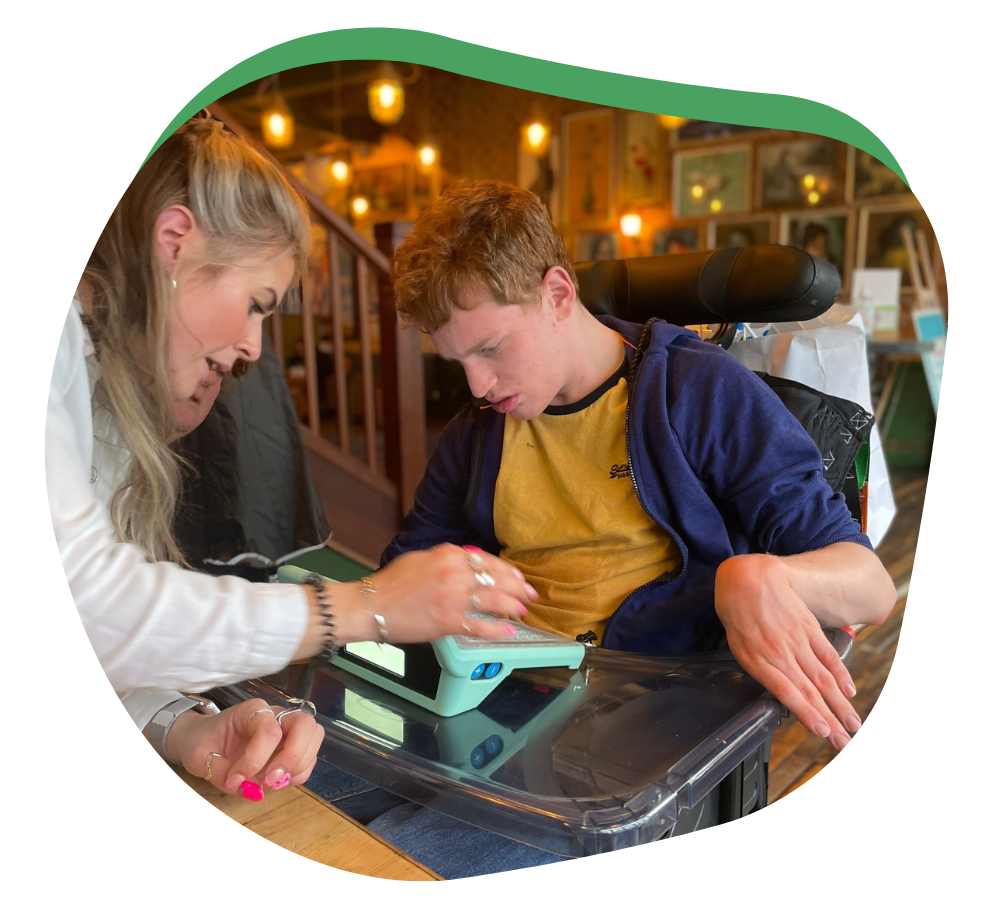
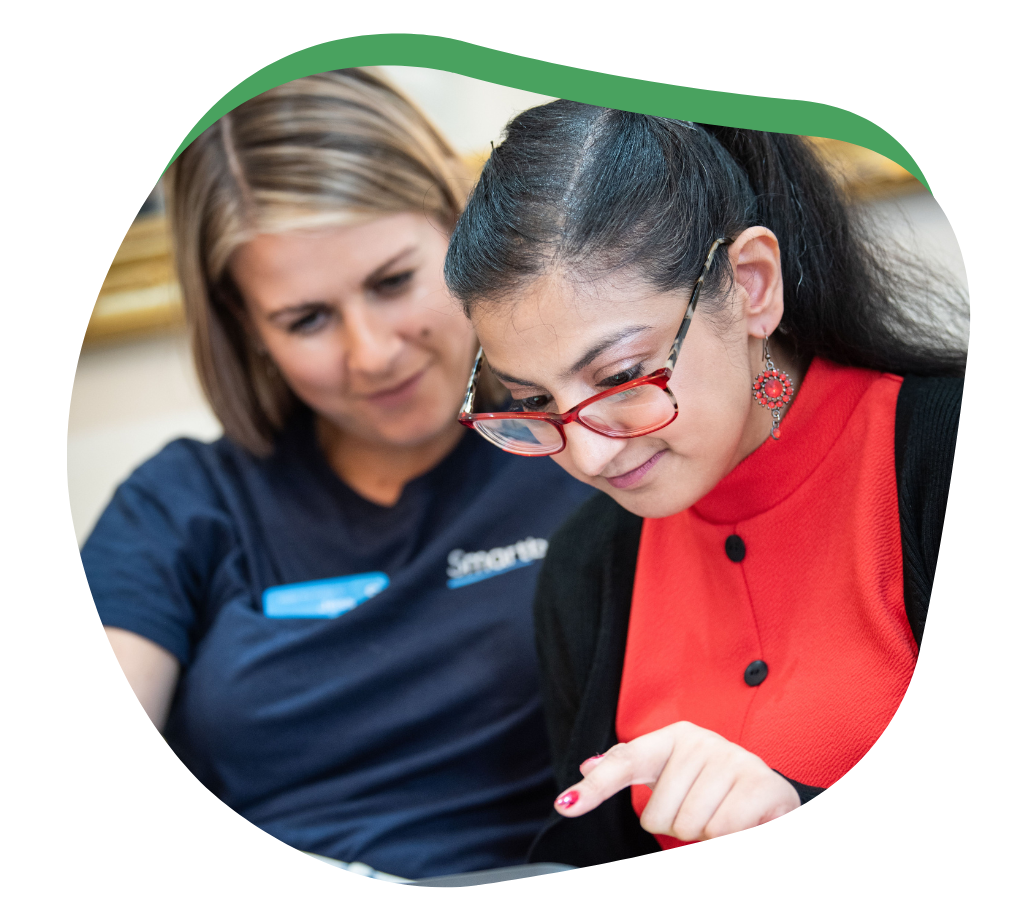
In this blog, Becky, Clinical AAC Specialist and SLT at Smartbox, shares an in-depth look at our Assistive Technology (AT) visit service – our person-centred approach to helping individuals and their support networks explore AAC options and strategies with confidence. Becky walks us through what this service involves, who it’s for, and how it can play a meaningful role in finding the right communication solutions for each person. Finding the right resources to support someone in connecting with the world around them is at the heart of what we do at Smartbox. That’s why we’re committed to making sure the ways we can support people on their AAC journey are clear, accessible, and easy to explore. One of the key services we offer is our Assistive Technology (AT) visit — a hands-on, collaborative session with one of our AT Specialists to help explore tools, strategies, and possibilities. For some people, this can be a helpful starting point, and for others, this can be a valuable step at any stage of their AAC journey. Our visits are designed to support not just the person exploring AAC possibilities, but also the people around them. With dedicated time together, we can explore products in more detail. That’s when a process called “feature matching” begins – where a person’s skills, priorities, and hopes are matched to access methods, hardware, software, and communication content that might suit them. Some, or all, of these tools may be demonstrated in real time to help shape ideas around what fits into their life. The visit is an opportunity to connect the dots between someone’s unique communication style and the tools that can support their independence and self-expression, now and as their needs or circumstances change. It’s not a replacement for clinical input or therapy – it’s a chance to explore our technology in more depth. And if our tools aren’t the right fit, we’ll always aim to signpost alternative options that might better meet the person’s needs. The goal is always the same: find the best outcome for the person. Anyone! We receive visit requests from individuals themselves, family members, speech and language therapists, occupational therapists, educators, care home managers – anyone looking to explore AAC possibilities. The first step is completing a visit request form. Once we’ve received your form, we’ll get in touch with the contact person listed. We’ll ask a few questions to learn more about the individual’s needs and circumstances. This helps us decide whether an in-person or virtual visit is more suitable, and ensures the right people are involved. We’ll also ask about other professionals involved, any significant life events, use of medication, and more – not to tick boxes, but to make sure we’re approaching things with care and context. We welcome input from SLTs, even if they can’t attend the visit, and always encourage a team approach, because no two people are the same, even if they share a diagnosis. We know it can feel like a big deal to have someone new visit. We’ll help make it easier by: The visit is not a performance. We understand everyone has good days and challenging ones, and we’re here to work with whatever the day brings. If needed, a quiet space can help. The AT Specialist will focus on possibilities, strengths, preferences, and authentic communication styles. We’ll take a total communication approach – valuing all the ways someone communicates: speech (even if echolalic or scripted), signs, gestures, body language, vocalisations. Our aim is to support and extend existing skills, not replace them. We’ll always be guided by the person and those who know them well. Emotional safety and sensory needs are top of mind. We also prioritise autonomy and identity. We’ll talk about how the tools and content can reflect who the person is now, and who they’re becoming. Success doesn’t mean full engagement or immediate outcomes. These visits are a snapshot – a moment to connect, explore, and plant seeds for what might come next. We understand that starting (or continuing) an AAC journey can feel huge, full of questions, emotions and decisions. That’s why our AT visit service exists: to provide support, insight and guidance without pressure. Whether you’re just beginning to explore AAC or looking to grow from what’s already in place, a visit from one of our Smartbox AT Specialists is designed to be truly supportive, respectful and person-centred – focusing on what matters most to the individual. At the core of everything we do is one simple aim: helping each person find tools that feel right for them – tools that support their identity, personality, and future goals. No pressure. No expectations. Just curiosity, connection, and care. If you’re ready, curious, or just want to talk it through – we’re here. We’d love to help you take that next step, wherever you’re at on your journey. We have offices in France, the US, Germany and the Netherlands, where we offer the same person-centred approach. If you’re based in any of these countries and would like to learn more, please get in touch using the details below: In the US: Reach out to our team in the US using the following contact form to speak with an experienced AAC Consultant in your area. If you have any questions, you can also get in touch at hello@talktometechnologies.com In France: Simply fill out the following contact form and the team will be in touch to arrange a visit. If you have any questions about the process, you can get in touch at hello@thinksmartbox.fr In Germany: Please fill out the following contact form and our team at REHAVISTA will get in touch with you to arrange an appointment. You can find more information about the REHAVISTA consultation process on their website. In the Netherlands: If you would like to get in touch with our team at KMD in the Netherlands, please fill out the following contact form and they will be in contact as soon as possible.
The AAC landscape is full of incredible tools designed to help people actively participate in their lives. While the possibilities are exciting, we understand that they can also feel overwhelming. Even for those of us who’ve worked in the field for many years, questions like “Where do I start?”, “What’s the best solution?”, “What if skills change?” and “What does success look like?” are natural to ask. What’s the aim of a visit?
Who can request a visit?
The visit process in the UK and Ireland
1. Requesting a visit
2. Pre-Visit Questionnaire
3. Before the visit
What to expect during the visit
So, why do we offer this?
Visits outside of the UK