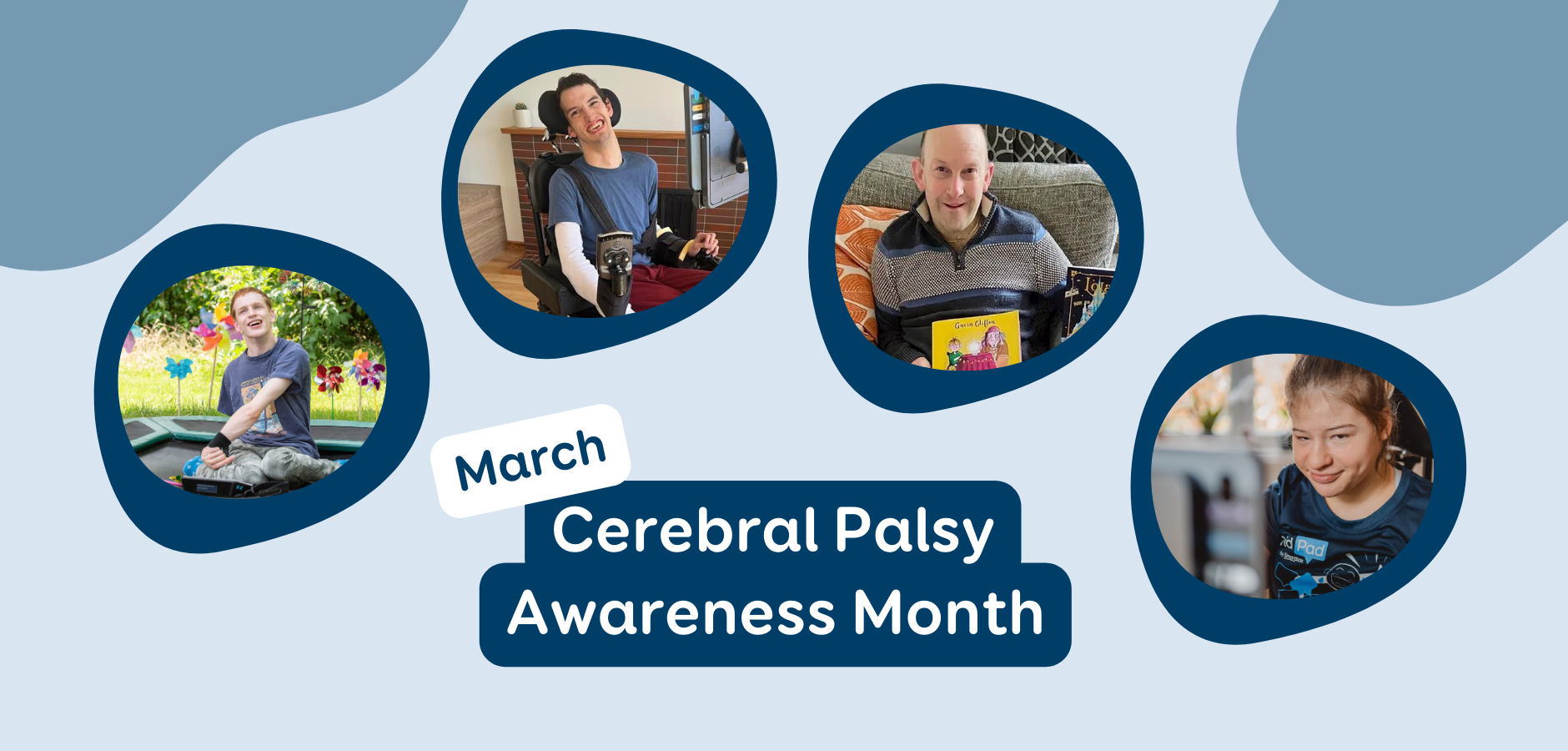
Recognising Cerebral Palsy Awareness Month
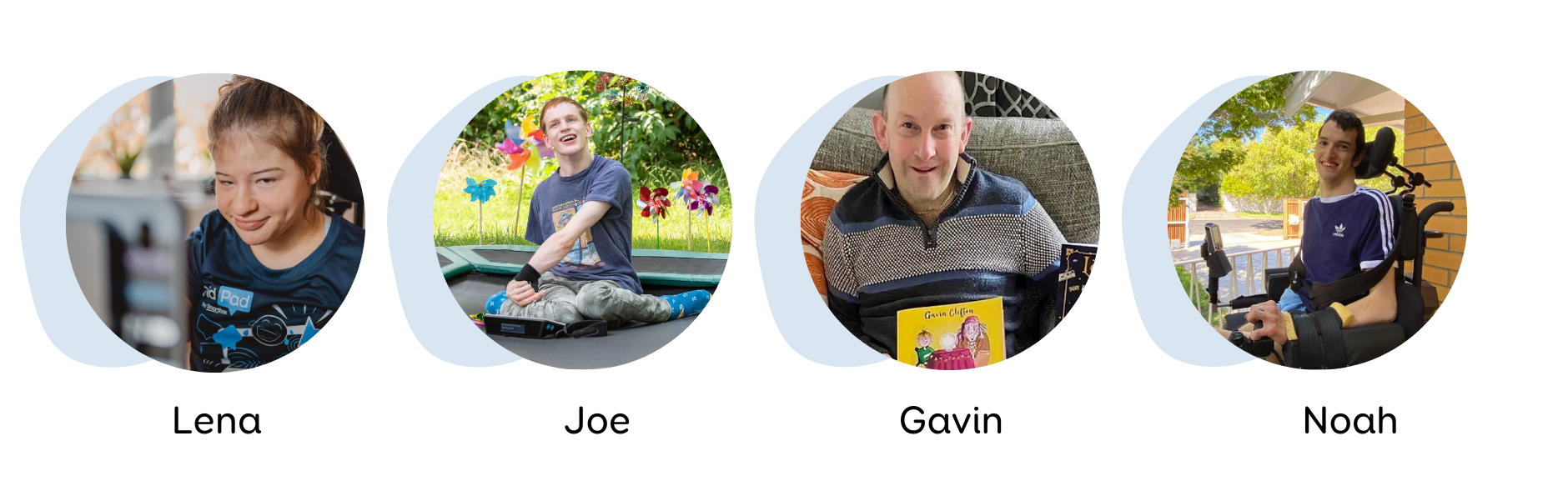
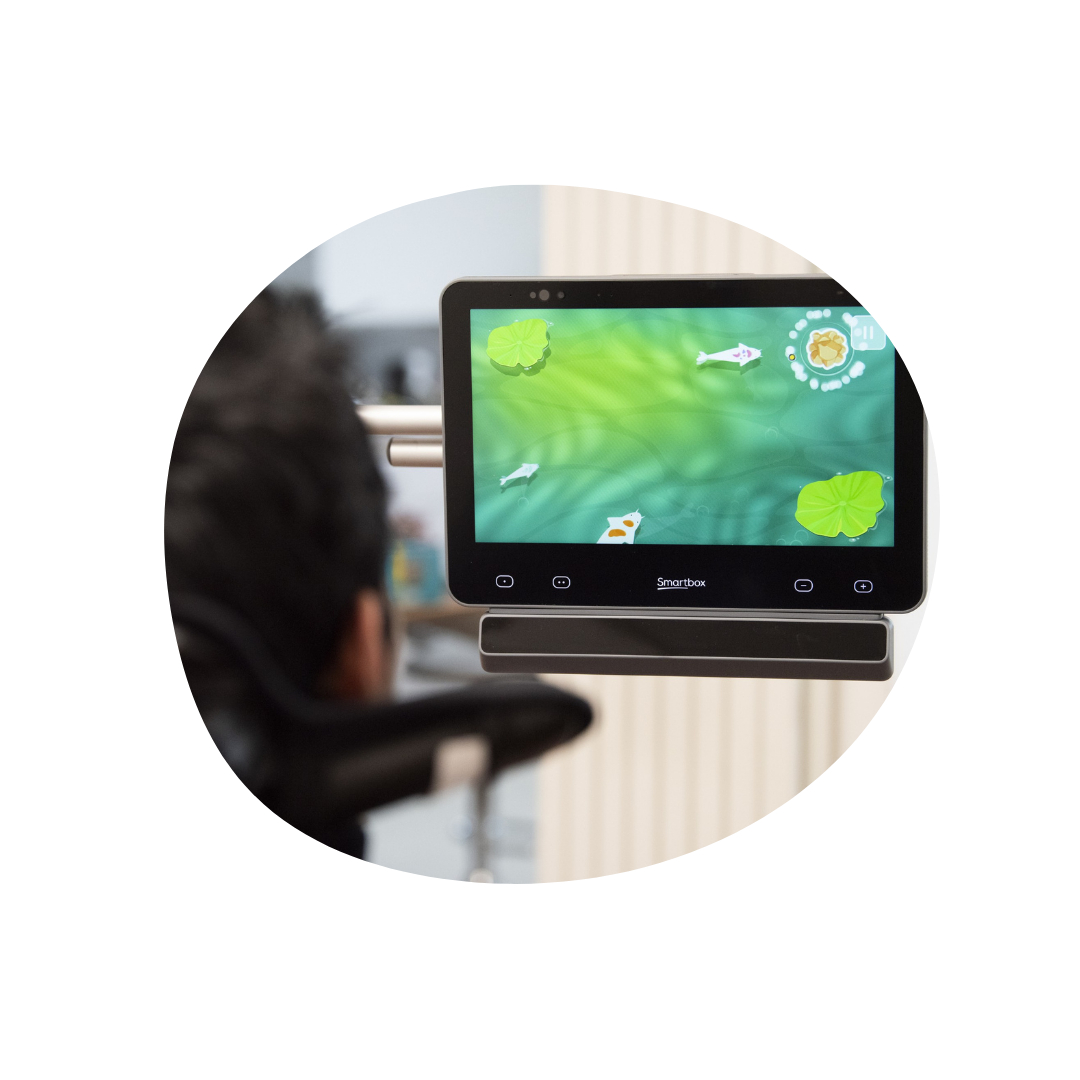
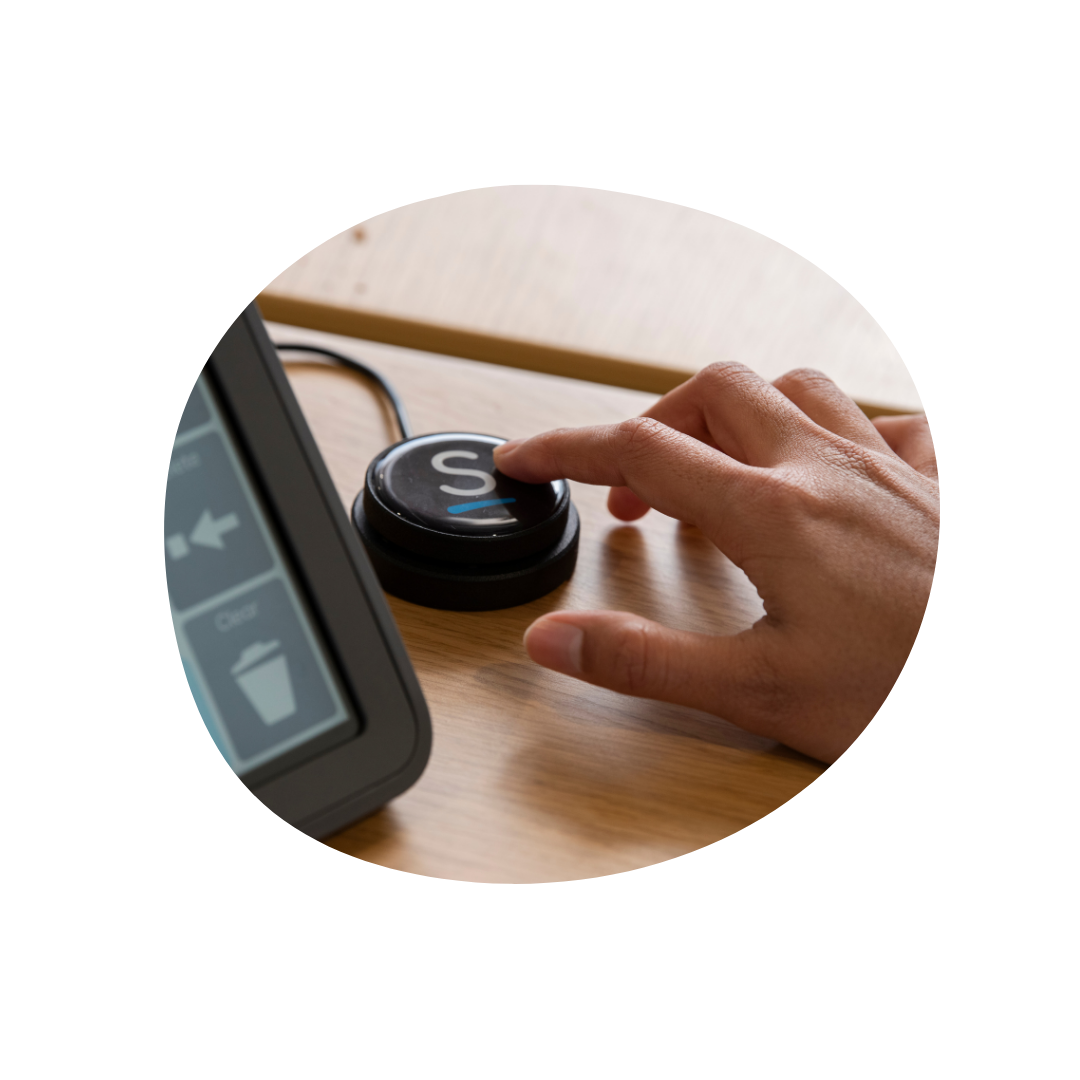
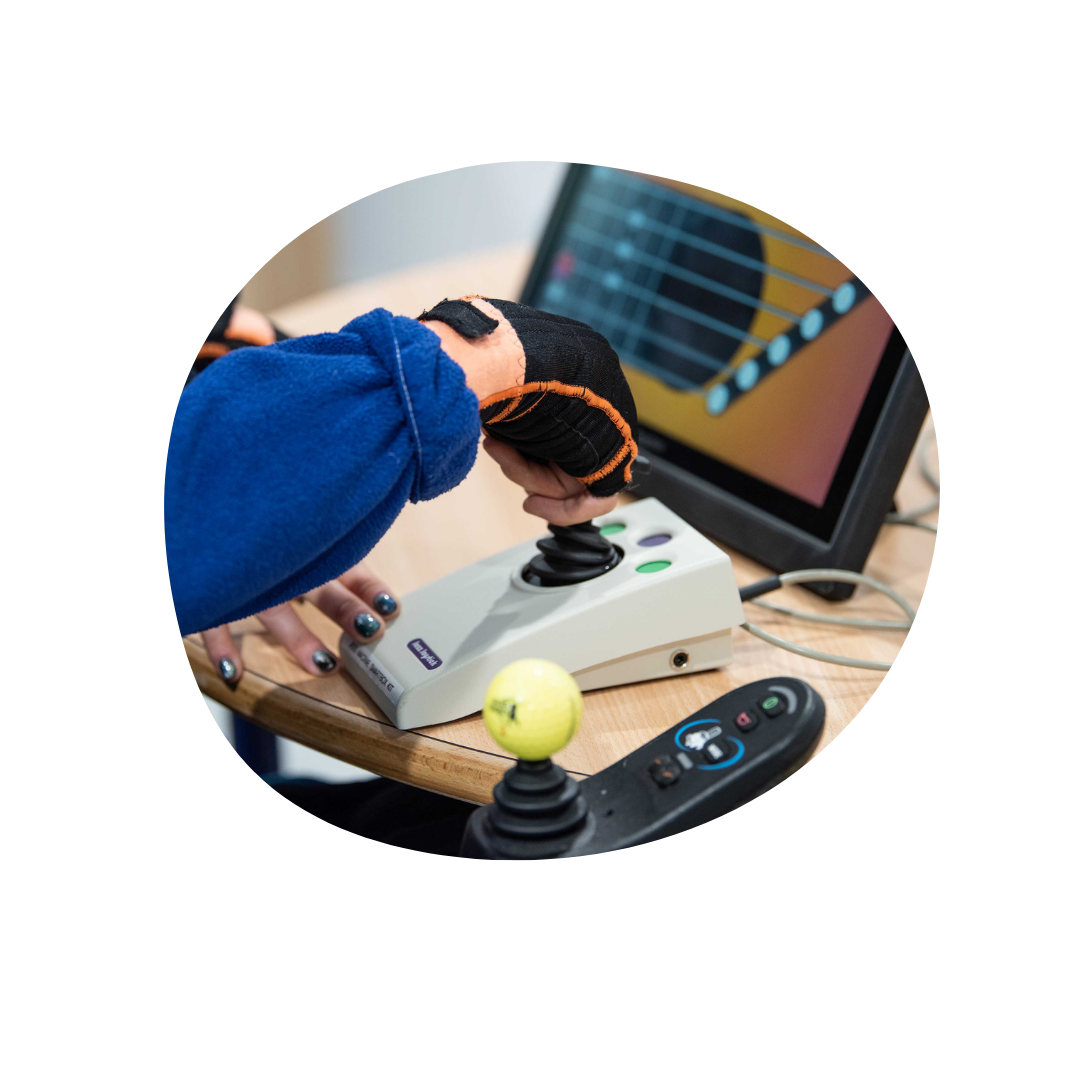
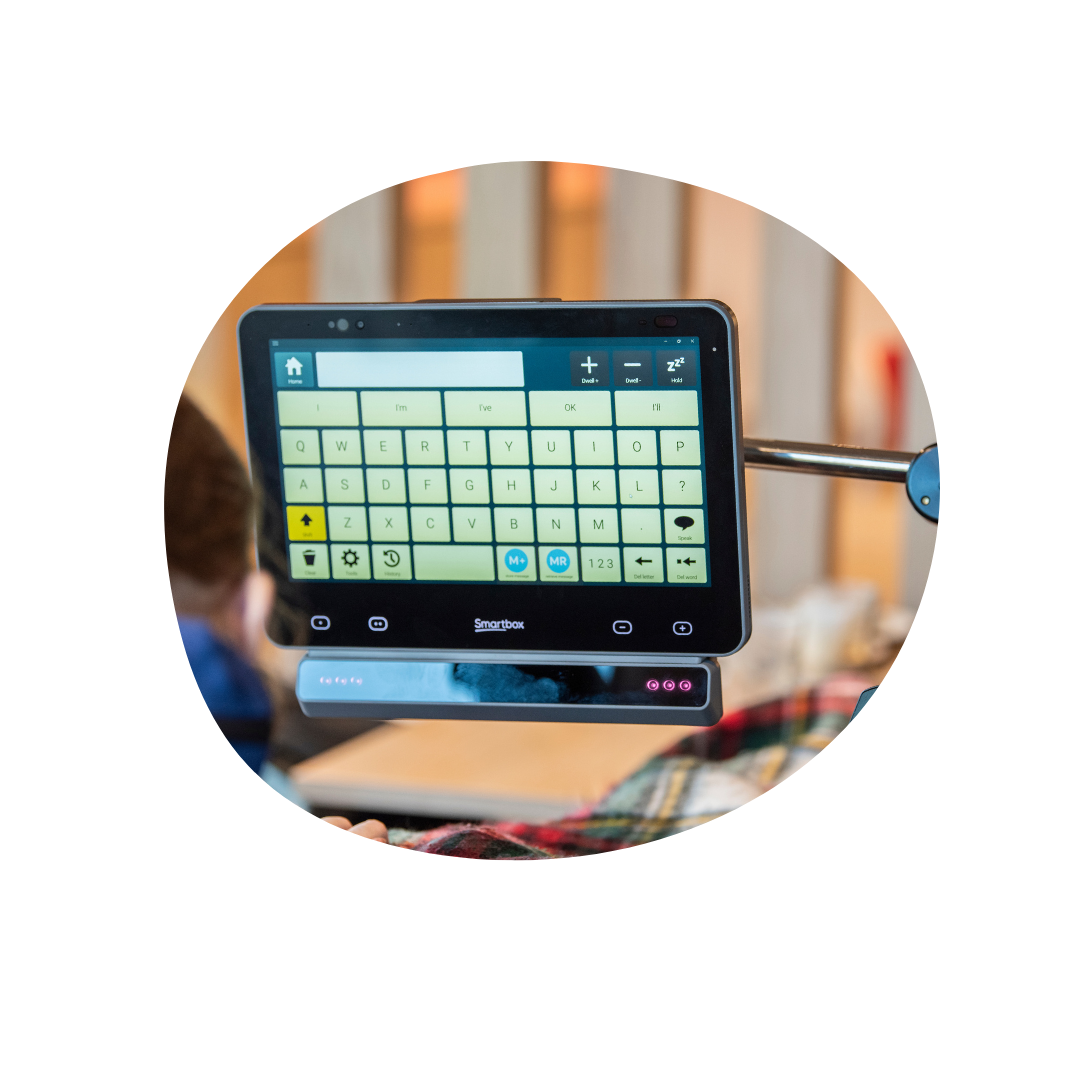
March is Cerebral Palsy Awareness Month, a time to recognise the millions of people worldwide living with cerebral palsy (CP). CP is a lifelong condition that impacts movement, posture, and communication in different ways – no two experiences are the same. While some individuals with CP have speech, many use Augmentative and Alternative Communication (AAC) to express themselves more clearly, reduce fatigue, or communicate in different environments. At Smartbox, we believe everyone deserves a voice, their way. This month, we’re highlighting how AAC fosters independence, confidence, and new opportunities for people with CP. Through real stories from our users, we’re showcasing the impact of communication technology in helping people connect with the world around them. CP affects individuals in unique ways – some may experience muscle stiffness or involuntary movements, making speech difficult, while others may struggle with clarity or fatigue. That’s why AAC should be adaptable and personalised to fit different needs. At Smartbox, we offer a range of alternative access methods that ensure everyone, regardless of their physical abilities, has access to a voice. Grid works intuitively with all access options, for the most complex needs. From eye gaze and pointing devices to keyguard touch access and switches, Grid has innovative features that make alternative access simple. The settings in Grid are integrated and simple to adjust as your needs change. For individuals with limited or no control over their hands, eye gaze can provide a way to navigate and control a communication device by tracking eye movement. This enables you to select words, build sentences, and engage in conversation just by looking at the screen. You can use Grid to adjust eye gaze speed, time, and calibrate. Individuals with limited mobility or involuntary movements may find using a physical switch more effective than direct touch. Switches can be activated with small body movements, such as a head tilt, hand press, or even a foot tap, allowing you to control your communication device at your own pace. Switch scanning in Grid includes features like the Scan Progress Indicator – to help you anticipate when the item you want will be highlighted. Some individuals with CP may use head pointers, styluses, or joystick controls to interact with their devices. This can allow for greater accuracy and ease of use, particularly for those with some voluntary movement but difficulty using a touchscreen or keyboard. In Grid, you can choose how cells are highlighted, with options for magnifying a cell and changing the colour of the border or background. AAC users with CP may benefit from symbol-based communication, which provides visual representations of words and phrases. This method can be especially helpful for individuals who find written text challenging or who are still developing literacy skills. Grid includes a range of vocabularies, for people of all ages. Learn more about our symbol grid sets, such as Super Core, Voco Chat and Aphasia Duo. For those who prefer to type, on-screen keyboards with word prediction and abbreviation expansion can speed up communication and reduce effort, making it easier to construct messages efficiently. Explore Grid’s text grid sets, including Fast Talker, Text Talker and Alpha Core. Alongside the variety of alternative access options available, AAC software can empower users to: Cerebral Palsy Awareness Month is an opportunity to challenge misconceptions, celebrate the voices of AAC users, and ensure that everyone has access to the tools they need to communicate. Throughout March, we’ll be sharing stories, resources, and insights to raise awareness of CP and highlight how AAC empowers people to express themselves and participate fully in life. Stay tuned!Here are some of ours users we will be spotlighting throughout March
How AAC can support people with cerebral palsy
Explore some of our alternative access options
Eye gaze technology:
Switch access:
Pointer access:
Symbol-based communication:

Text-based communication:
Raising awareness