Say more with Symoji
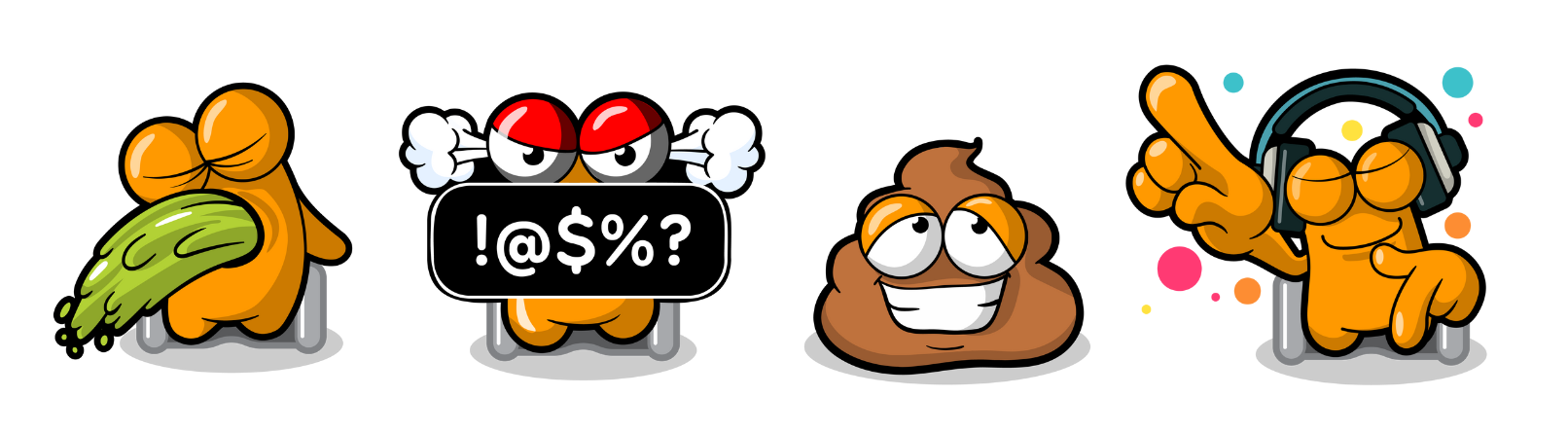
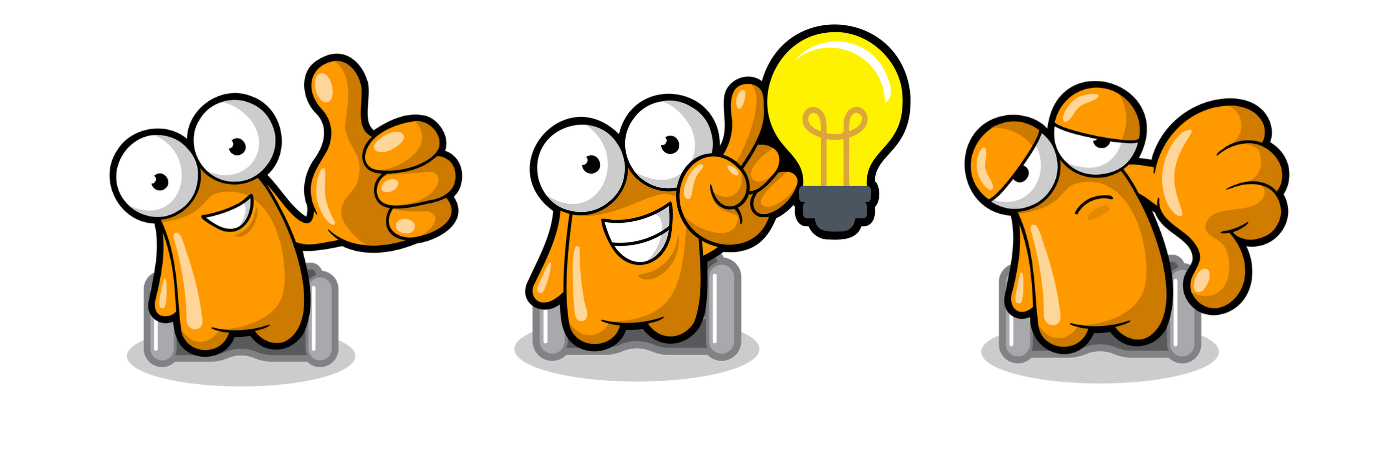
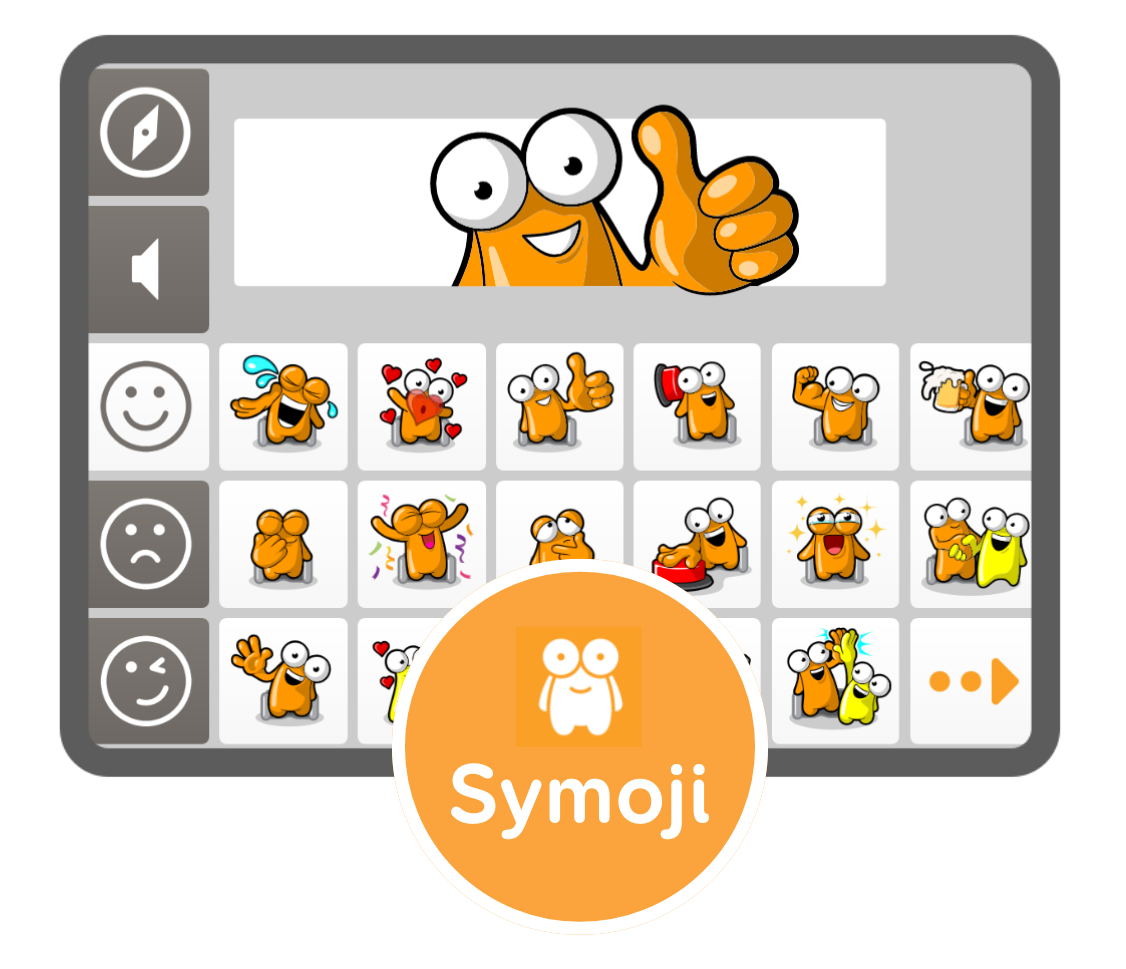
In this blog, Becky, Clinical AAC Specialist and SLT at Smartbox, explores how communication goes beyond requests and introduces Symoji as a tool that helps AAC users actively participate in conversations, express emotions, and strengthen connections with others. Many years ago, I read an article by Light, Parsons, and Drager (2002) that remains one of my biggest clinical and personal inspirations – “There’s more to life than cookies.” The article explores the importance of supporting communication that goes beyond basic needs and requests, encouraging us to consider how AAC can empower individuals to share opinions, express emotions, tell stories, and connect meaningfully with others. This statement has always stuck with me – it’s a powerful reminder that communication isn’t just functional, it’s personal. For people who rely on AAC, having access to language that reflects their whole personality and identity is essential, and this idea continues to shape the way I support AAC users in my practice. It’s not to say requesting isn’t important – being able to ask for what you want, whether it’s a cookie or something else, is essential. But communication is so much more than just making requests. It’s about connecting, sharing, and participating in the world around us. Requesting can be a great starting point, especially for those in the early stages of AAC use, helping them bond with their tools and build confidence. It’s a motivating way to engage with communication, and we know that tangible, immediate rewards can reinforce language learning. But it’s just one piece of the puzzle – conversations move fast, and AAC users need efficient tools that support all the ways we communicate. For me, Symoji was the missing piece in the AAC toolkit. It adds variety, fun, and efficiency while allowing AAC users to fully express themselves. Conversations are dynamic; people share thoughts, feelings, and reactions in real-time, often with quick shifts in topic. Symoji makes it easier to interject, respond, and keep up with these fast-paced exchanges. It’s also about active participation. AAC systems should empower users to fully engage in their own lives, and Symoji helps do just that. It allows people to gain attention, express opinions, add humour, celebrate, commiserate, and show their personalities in a way that strengthens relationships and deepens connections. I recently saw a social media post where an AAC user shared what Symoji allows him to experience: “If I do this, people come over, laugh, and interact with me more.” Symoji can therefore increase the opportunity for connection and if desired, fun connection that can often make all the difference when building and maintaining relationships. “My favourite’s are the poo face, being sick, the swearing one, the party/DJ one” Samuel, a young man who uses the Grid software, also recently shared his thoughts on Symoji at an AAC event. “The ones that I use the most at school are the light bulb idea & thumb up and down. I use them for quick talk.” We live in a world where emojis, GIFs, and quick-access visuals are everywhere, yet many AAC users don’t have easy access to these forms of expression. When you break down the steps involved in generating a message, it’s remarkable how complex the process can be, especially for those with cognitive or physical challenges. That’s why tools like Symoji are so important. They offer engaging, efficient ways for AAC users to communicate in the moment, just like everyone else. Symoji is a fun, animated grid set available in Grid. People who use Grid can use Symoji to add meaning or emotion to something they’ve said, or communicate a whole idea or feeling with just one click. There are lots of Symojis to choose from, organised into three categories to make it easy to find the one that you want. Have a look in Grid to see the current collection! Try Symoji and all the features in Grid with a free 60-day trial of Grid 3 for Windows, or try Grid for iPad free for 30 days.
Cue Symoji!
Reference: Light, J. C., Parsons, A. R., & Drager, K. D. R. (2002). “There’s more to life than cookies”: Developing interactions for social closeness with beginning communicators who require augmentative and alternative communication.
What is Symoji?
Explore Grid with a free trial